Artificial Intelligence: Technological Precision at the Service of Your Future
The Unit’s mission is to lead and coordinate the research, development and innovation based in AI carried out at Instituto Bernabeu Group

What is Artificial Intelligence really in Human Reproductive Medicine?
Far from science fiction, in reproductive medicine we define Artificial Intelligence as the use of advanced deep learning algorithms. In the context of high-level reproductive medicine, AI is the ability to process millions of data points at a speed and depth unattainable for the human brain. For decades, embryologists and specialists have relied on expert microscopic observation. AI is an information system trained on millions of embryo images and genetic patterns from previous cycles at a global level. This system is capable of detecting microscopic patterns, textures and data correlations that are invisible to the human eye, no matter how trained it may be.
It does not replace vision; it exponentially enhances it.
Why is it important for your treatment?
The incorporation of AI is not a technological luxury; it is a strategy for clinical efficiency. For patients, time and emotional burden are critical factors. AI provides value across three fundamental areas:
Objective Embryo Selection:
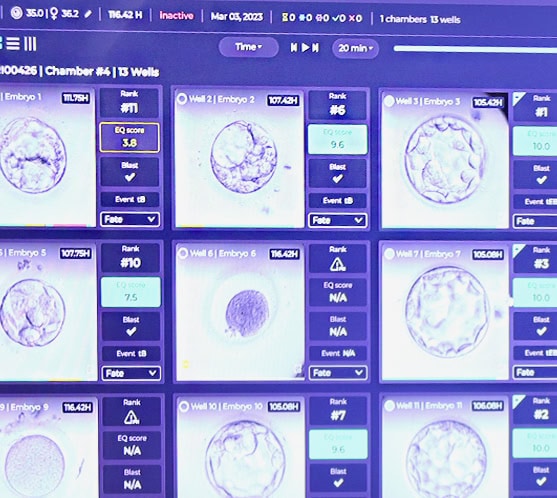
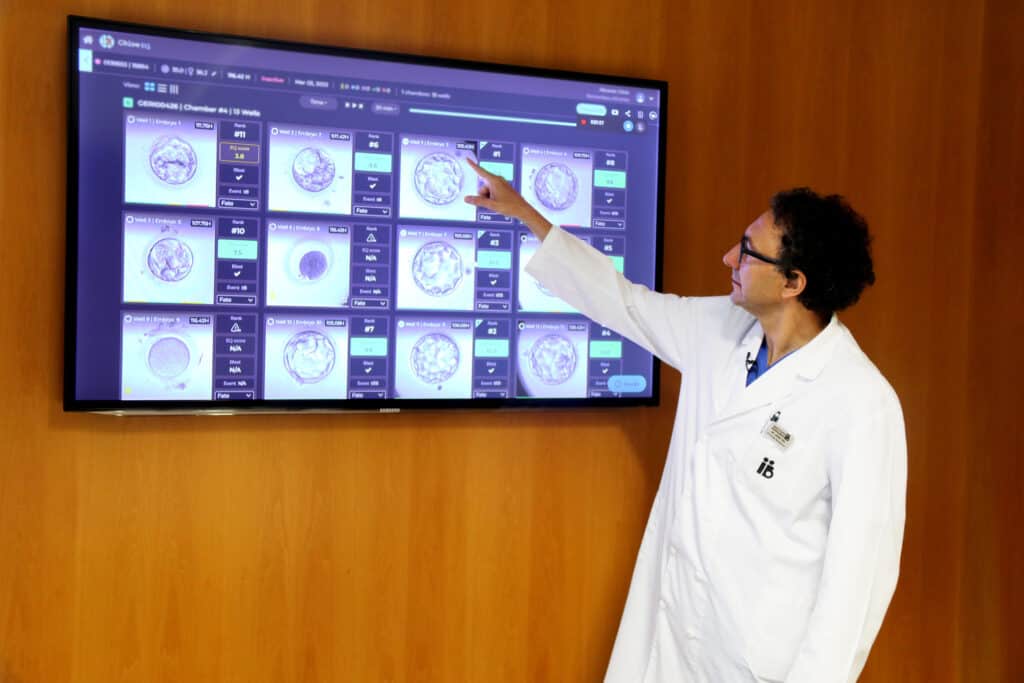
Traditionally, embryo assessment has been based on static morphological evaluation performed by the embryologist. The incorporation of Artificial Intelligence enables a shift toward dynamic and quantitative analysis of embryonic development, integrating morphokinetic information obtained through time-lapse systems with relevant clinical variables. These models, trained and validated using large databases with known clinical outcomes, identify developmental patterns associated with implantation, live birth and chromosomal risk, generating predictive scores that complement expert evaluation. This approach reduces diagnostic variability, provides greater objectivity in embryo prioritization and facilitates the selection of the embryo with the highest potential in each cycle, contributing to shortening the time required to achieve an ongoing pregnancy (time to take home baby).
Stimulation Personalization:
By processing your hormonal data and specific biomarkers against large databases, algorithms help us adjust medications and dosages to obtain the most appropriate ovarian response, minimizing risks and maximizing the retrieval of high-quality oocytes and embryos.
Non-Invasive Prediction:
The development of AI models applied to image analysis and embryonic morphokinetics is making it possible to move toward non-invasive estimation of embryonic chromosomal risk. These models, trained on embryos with known ploidy status and clinical outcomes, provide objective risk stratification that complements conventional evaluation and, in selected contexts, may help reduce the need for invasive procedures such as embryo biopsy.
Does AI replace the embryologist or the physician? Does using AI mean that my case will be managed by an algorithm?
Absolutely not. At our center, AI acts as a high-level consultant for the medical team, never as the final decision-maker. AI functions as a high-precision analytical support system, but clinical decision-making rests entirely with our professionals. The embryologist supervises each stage of culture and embryo selection; the physician evaluates the complete clinical context, reproductive history and emotional factors of the patient. Algorithms provide objective data; we interpret them with medical judgment, experience and empathy. It is a strategic collaboration, never a substitution.

Do AI algorithms guarantee in vitro fertilization results?
In reproductive medicine, there are no absolute guarantees; human biology entails inherent variability. What AI does provide is a significant improvement in diagnostic precision. In the context of In Vitro Fertilization (IVF), algorithms optimize the selection of the embryo with the highest implantation potential, adjust ovarian stimulation according to hormonal profile and reduce diagnostic variability. The result is a relevant increase in success probabilities per cycle and a reduction in time to pregnancy—not a guarantee, but a strategy based on the best available scientific evidence.

Are these systems clinically validated?
Yes. The Artificial Intelligence tools used in our clinical environment are supported by retrospective and prospective studies published in leading scientific journals in assisted reproduction, demonstrating their ability to provide objective and reproducible information in key IVF laboratory processes.
In addition, Instituto Bernabeu actively participates in the generation of new scientific evidence through the development and validation of proprietary models based on large clinical and embryological databases with known outcomes. This line of research focuses particularly on predicting reproductive outcomes and objectively evaluating embryo quality. All algorithms are integrated as clinical decision-support systems and operate under the direct supervision of embryologists and specialist physicians, ensuring responsible use aligned with current ethical, scientific and regulatory standards in reproductive medicine.
In high-level reproductive medicine, the unified process approach has become obsolete. Artificial Intelligence is the engine that allows us to transition from generalized protocol-based medicine to Precision Medicine. A unique strategy, not a generic recipe.
Areas of Application: AI as the Architecture of Success
The Human Factor: Technology Proposes, the Medical Team Decides
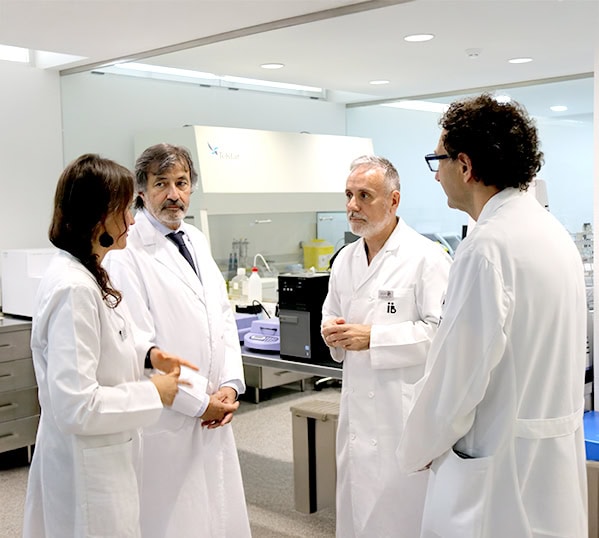
At Instituto Bernabeu, AI is a powerful support for decision-making, but it never replaces the physician. Technology provides data of the highest precision, but strategy, interpretation of emotional and clinical context, and human care remain—and will always remain—in the hands of your trusted medical team.
It is essential to understand this nuance: AI is a clinical decision-support tool, not a substitute for the physician. Technology provides highly reliable data, but clinical context, comprehensive medical history and medical intuition forged through experience remain irreplaceable.
Excellence in medicine today is a hybrid between the machine’s computational power and the empathy and expertise of the specialist.

Personalization of Protocols and Prediction of Ovarian Response
The success of a cycle begins with flawless ovarian stimulation. Through the use of predictive AI models, we analyze ovarian reserve (AMH, antral follicle count) together with metabolic and genetic variables.

Objective Selection and Evaluation of Embryos
In the embryology laboratory, the application of Artificial Intelligence reduces the variability associated with traditional visual assessment. Using information generated by time-lapse incubators, morphokinetic analysis models and clinical data dynamically and quantitatively integrate embryonic development. This approach provides objective and reproducible criteria that complement expert embryologist evaluation, improving coherence in embryo prioritization and supporting more precise decision-making during the selection process.

Optimization of Clinical Decisions and Outcome Prediction
Decision-making in reproductive medicine is an exercise in probability management. AI allows us to run outcome simulations based on thousands of cases with profiles similar to yours.

Big Data Analysis and Predictive Models of Success
Each patient generates a unique data footprint. By integrating your clinical data with our Big Data historical records, we create a personalized predictive model of your real probabilities of success.

Preimplantation Genetic Diagnosis and Digital “Screening”
Beyond traditional embryo biopsy (PGT-A), Artificial Intelligence is inaugurating a new era of non-invasive diagnosis. Through the analysis of developmental patterns and, at advanced stages, cell-free DNA in the culture medium, AI helps us prioritize embryos with a higher probability of being chromosomally normal (euploid).
For you, this means an additional layer of safety: even when we decide to perform a conventional genetic study, AI validates and supports those results by cross-referencing them with biological probability models, ensuring that only embryos with the highest health potential are selected for transfer.

How does AI guarantee the safety of my gametes and embryos?
Excellence in an assisted reproduction center is not measured solely by clinical outcomes, but also by the robustness of its safety and control protocols. At Instituto Bernabeu, IVF laboratories have consolidated traceability and double-check systems fully integrated into the patient’s medical history, enabling meticulous and comprehensive tracking of each stage of gamete and embryo handling throughout the entire care process.
On this solid foundation, Artificial Intelligence is positioned as a future-oriented line of development and optimization, aimed at strengthening process analysis, quality control and early detection of deviations. Its progressive incorporation will add an additional layer of analytical support to the team’s work, always under professional supervision and without replacing existing safety systems. This approach ensures responsible integration of technological innovation, maintaining traceability, safety and patient trust as absolute priorities.

Laboratory Optimization: The “Smart Lab” Concept
A high-complexity IVF laboratory must operate with maximum precision and control. At Instituto Bernabeu, laboratory optimization is supported by consolidated systems for monitoring, quality control and process analysis, designed to ensure a stable and safe environment for embryonic development.
In this context, Artificial Intelligence represents the next step in the evolution toward a more efficient, data-driven laboratory. Its progressive incorporation will enable integrated analysis of environmental variables, workflows and process performance, identifying opportunities for improvement and supporting more efficient laboratory management. As we move toward more automated data analysis and recording models, the objective is to free up time from repetitive and administrative tasks, allowing embryologists to focus their expertise and attention on what truly adds value: the expert care of gametes and embryos. The combination of a highly qualified human team with an increasingly intelligent working environment reinforces our commitment to continuous improvement, efficiency and excellence in clinical embryology.

The Value of Certainty in Your Treatment
In an environment where information can be overwhelming, our commitment to AI is a commitment to clarity. We do not use technology simply for the sake of innovation, but to eliminate variables of chance and offer you the most solid strategy available in modern medicine.
You do not just choose a treatment; you choose the peace of mind of knowing that every detail of your process is being optimized by the most advanced technology in the world under our expert supervision.
Benefits: The Competitive Advantage of AI in Your Treatment
The implementation of state-of-the-art algorithms in our clinical practice translates into direct benefits that impact both the patient experience and the live birth rate at home.

Objectivity and Surgical Precision in the Laboratory
Subjectivity has historically been one of the greatest challenges in reproductive medicine. AI provides a mathematical and impartial perspective. In IVF (In Vitro Fertilization) processes, where selecting the best embryo is critical, technology eliminates human bias by analyzing parameters that ensure the selection of the candidate with the highest implantation potential from the very first attempt.

Personalization: Your Biology Is the Guide. Genetic Compatibility Testing
Thanks to the ability to process large volumes of data, we can move away from standard procedures for donor assignment and couples carrying genetic risk factors and their families. This is especially relevant in IVF and egg donation treatments. Compatibility between oocytes and sperm is optimized through predictive diagnostic models that ensure maximum affinity and probability of gestational success.

Reduction of Diagnostic Variability
In medicine, consistency is synonymous with quality. AI acts as a permanent gold standard that does not suffer from fatigue or variations in criteria. This guarantees that, regardless of the day or time a procedure is performed, the level of analysis and diagnosis maintains uniform excellence. This stability is key in Embryo Adoption programs, where precise evaluation of viability prior to transfer is fundamental for patient safety.

Efficient Processes: The Shortest Path to Success
The most valued benefit for our patients is the reduction in Time-to-Pregnancy (time to achieve pregnancy). By optimizing every decision—from medication dosage to the exact second of embryo transfer:
- The number of required cycles is reduced.
- Emotional and physical burden is minimized.
- Financial investment is optimized by avoiding failed procedures that could have been anticipated through data analysis.

Coordination of Connected Intelligence: Synergy Among Reproductive Medicine Specialists
At Instituto Bernabeu, Artificial Intelligence does not operate in silos. Its true value lies in its ability to act as a shared data platform that connects our four pillars of expertise in real time. This interaction model ensures that every decision made by a specialist is supported by the global vision of the entire team.
We jointly review results from each area. We discuss and define new strategies to improve key indicators. In this way, we ensure that our outcomes continue to increase both effectiveness and patient satisfaction.

Gynecology and Reproductive Medicine: Strategic Direction
The gynecologist acts as the architect of your cycle. Thanks to AI, they receive analytical data flows from the laboratory and genetics that allow them to adjust clinical strategy in real time.
- The gynecologist uses predictive models to determine the stimulation protocol, while integrating historical results from embryologists to personalize endometrial preparation, ensuring the uterus is the optimal environment for the selected embryo.
- IB Gen FIV. Collaboration with our genetic and BIOTECH team enables adjustment of the best ovarian stimulation strategy. Each patient receives medication guidelines and dosages according to their genetic profile.

IVF and Embryology Laboratory: Precision in Culture
In the IVF laboratory, embryologists at Instituto Bernabeu are directly responsible for the care and monitoring of gametes and embryos. The progressive incorporation of tools based on advanced data analysis and Artificial Intelligence is designed as an objective support system for the expert work of the embryologist, providing additional information without interfering with culture conditions.
- The laboratory integrates and develops analysis models based on morphokinetic data obtained through time-lapse incubators, capable of translating the dynamic behavior of embryos into quantitative indicators that complement conventional morphological evaluation. This information can be shared in a structured manner with the medical and genetic teams, fostering more coherent, data-driven decision-making.
- These systems help prioritize embryos with the highest potential for transfer or cryopreservation via vitrification, always under the direct supervision of the embryologist, who retains final control of the process and clinical interpretation of the results.

Andrology and Semen Preparation: Excellence from the Male Factor
The male factor plays a key role in assisted reproduction outcomes and requires rigorous and personalized evaluation. At Instituto Bernabeu, andrological assessment and semen preparation are based on individual clinical evaluation and detailed analysis of seminal parameters by specialists with extensive experience.
In this field, Artificial Intelligence represents an evolutionary step toward deeper analysis of parameters such as kinetics and functional sperm quality, through advanced data integration that goes beyond conventional manual methods. The progressive incorporation of these models will allow the exploration of complex patterns and relationships that can provide additional decision-making information.
- Integration of andrology laboratory data with IVF cycle outcomes will enable more precise selection of complementary techniques for each case, always under clinical supervision. This approach aims to optimize semen preparation and promote the use of sperm with the highest functional potential, contributing to appropriate embryonic development.

Genetics and Research Units: The Frontier of Knowledge
Our geneticists analyze chromosomal and genetic architecture. AI enables cross-referencing of treatment data with the latest global research in reproductive genomics.
- Interaction: This department validates embryo genetic viability. In complex cases, research specialists use Big Data algorithms to propose innovative solutions, even when clinical challenges arise, ensuring treatments remain at the forefront of science.
An Expert Committee Empowered by Algorithms
This interaction model ensures that you are not treated by a single physician, but by an interdisciplinary scientific committee supported by the most advanced technology in the world. AI allows the gynecologist, embryologist, andrologist and geneticist to speak the same language: the language of precise data.
At our center, technology connects brilliant minds so that no variable is left to chance. Your success is the result of this collective intelligence.
International Artificial Intelligence (AI) Unit at Instituto Bernabeu
The objective of the Artificial Intelligence Department is to lead and coordinate research, development and innovation based on AI carried out across the entire Instituto Bernabeu Group.
Being a mother in the 21st century involves unique challenges and opportunities. In this context, the value that research and scientific and medical progress bring to patients is decisive.
At Instituto Bernabeu, we are fully committed to science and medical advancement. Our commitment to cutting-edge innovation is a core pillar of our institution. Proof of this is the excellent work carried out by our entire team of scientists and specialists.
The creation of this Specialized Unit in AI applied to Reproductive Medicine reflects our understanding of innovation and scientific progress. With the patient always at the center of every decision, we believe that technological advances must be rigorously validated by our specialists in a multidisciplinary, scientific and coordinated manner. Only in this way can innovation be transformed into viable solutions that can be transferred to patients worldwide.
ARTIFICIAL INTELLIGENCE UNIT
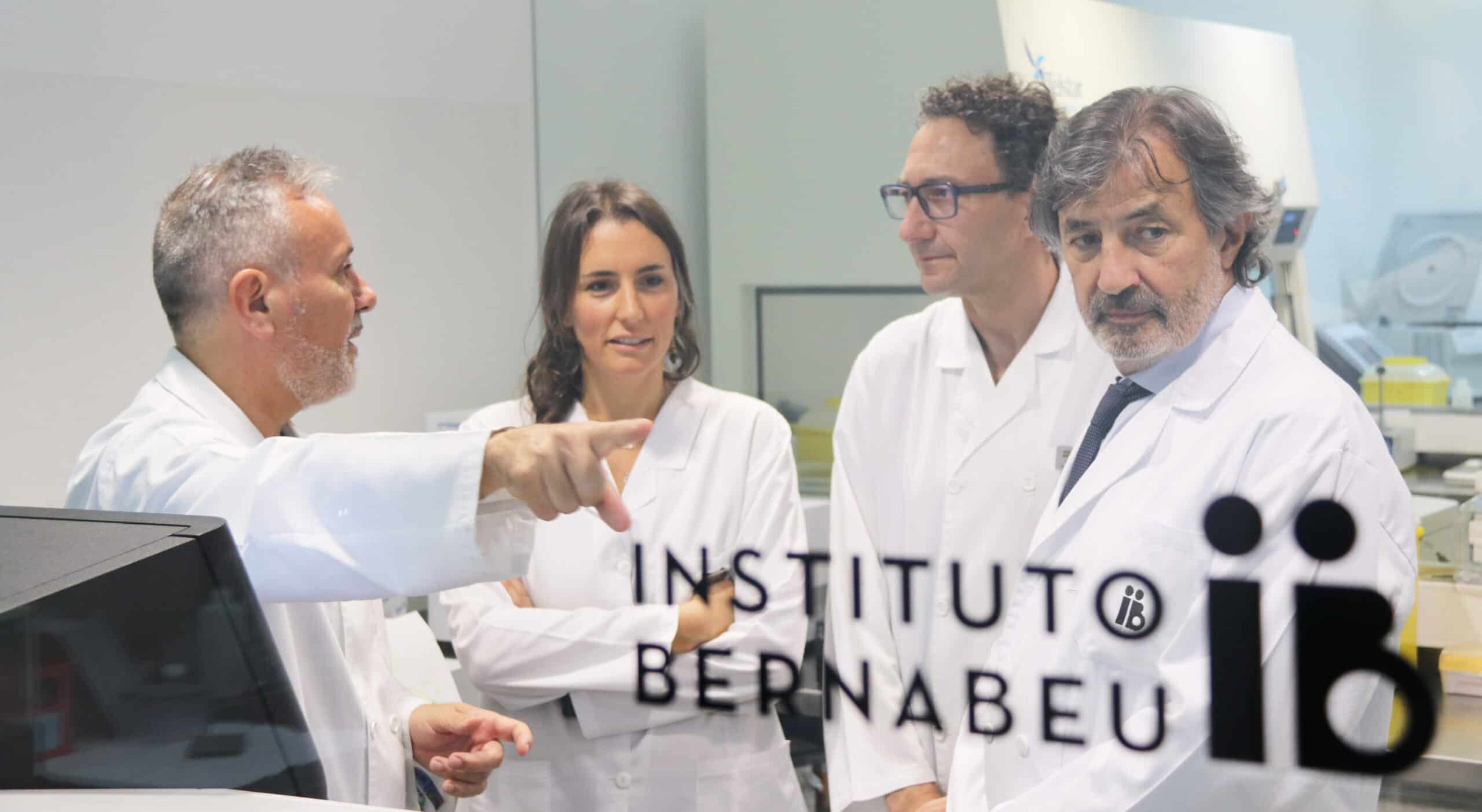
The Specialized Unit in Artificial Intelligence Applied to Reproductive Medicine at Instituto Bernabeu is coordinated by Dr. Jordi Suñol, a gynecologist specialized in reproductive medicine, and will count on the expert contribution of Dr. Jose Antonio Ortiz, biochemist and Director of the Congenital Disorders Unit, as well as that of the Director of the Embryology Unit, Dr. Jorge Ten, and embryologist Leyre Herrero.

Together with their respective teams, the Unit’s mission is to lead and coordinate research, development and innovation based on Artificial Intelligence, carried out across the entire Instituto Bernabeu Group, providing a multidisciplinary, holistic and expert perspective that enables the validation, implementation and improvement of AI-based technological solutions aimed at optimizing processes and delivering better outcomes for patients.
This represents an important step for us, the result of a strong commitment grounded in our scientific and research trajectory in the field of Artificial Intelligence. Our objective is for this new Unit to contribute to Instituto Bernabeu becoming an international reference, also in the field of AI applied to reproductive medicine, fostering the advancement of scientific knowledge in this area and transferring the real benefits of technology to society.
MEET OUR TEAM OF EXPERTS
Dr. Jordi Suñol
Gynecologist and Medical Director of Instituto Bernabeu Mallorca.
“The value of the professional in reproductive medicine is above technology. Having a specialized AI unit will help enhance the capabilities of our teams, both human and technical. It will allow us to offer higher pregnancy rates, and scientific progress will be exponential. However, the contribution of the clinical professional remains decisive and irreplaceable.”

Dr. José Antonio Ortiz
Biochemist and Director of the Congenital Disorders Unit.
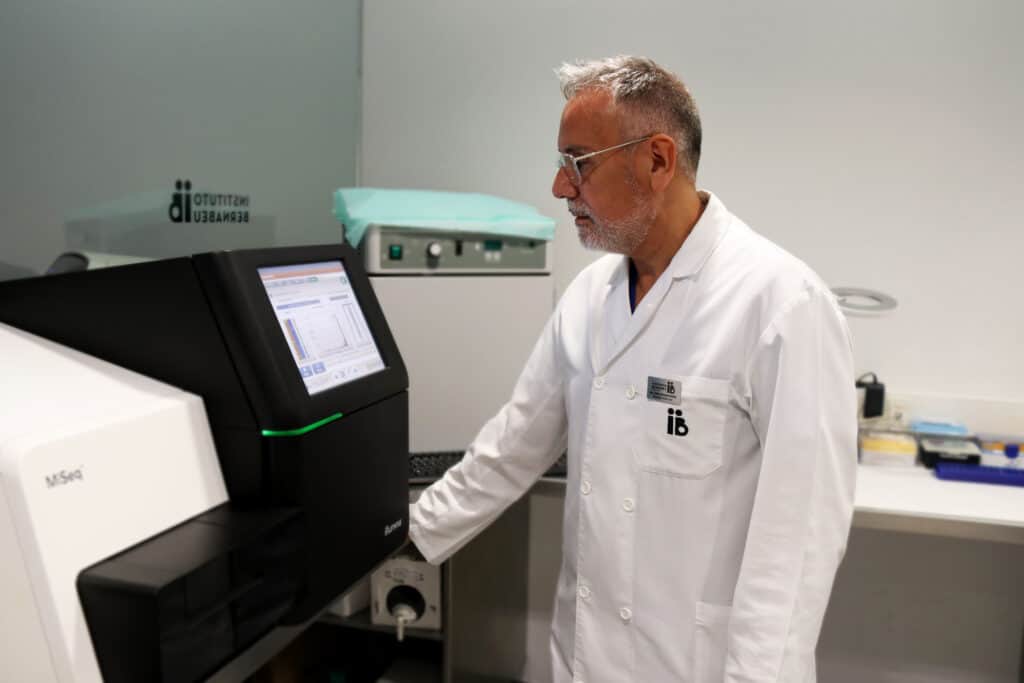
“Artificial Intelligence allows us to process and analyze volumes of data that humans cannot manage on their own. In this sense, the technological advancement provided by AI represents a true disruption. In the genetics and molecular biology laboratory, this change poses unique challenges and enables us to deliver innovative and fully personalized solutions, as they are based on the genetic analysis of each patient.”
Dr. Leyre Herrero
Embryology Coordinator at Instituto Bernabeu Madrid.
“The male factor affects the success of a fertility treatment to the same extent as the female factor. Technology can help us gain deeper insight into the patient or male donor and apply improvements that help achieve success in each treatment.”
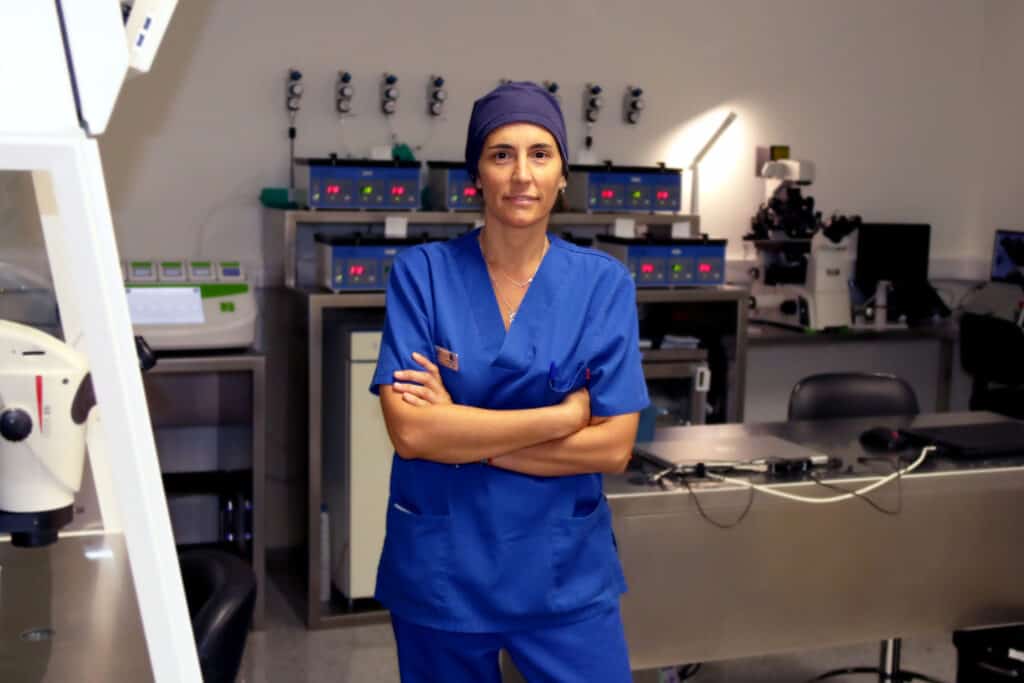
Dr. Jorge Ten
Director of the Embryology Unit at Instituto Bernabeu.
“Artificial Intelligence brings us closer, in a way never seen before, to understanding the third patient in a fertility treatment: the embryo.
We are able to select the embryo with the highest implantation success potential and consider new parameters in clinical decision-making. AI will change the way we work in the embryology laboratory in the short term.”
ARTIFICIAL INTELLIGENCE APPLIED TO FERTILITY IN THE MEDIA
The newspaper LA RAZÓN reports on the featured news about AI at the service of fertilization: “It helps you choose the best embryo”

An IB study that helps detect unexpected responses in ovarian stimulation through Artificial Intelligence, selected as an oral presentation at ESHRE 2023

An IB research study on the use of Artificial Intelligence for embryo selection stands out at the most important fertility congress in the world
Instituto Bernabeu addresses AI and the future of the IVF laboratory at the Innovation and Future of Assisted Reproduction Conference

The scientific journal American Journal of Obstetrics and Gynecology publishes an IB study establishing an Artificial Intelligence model to predict chromosomal abnormalities in IVF embryos

The Co-Medical Director, Andrea Bernabeu, addresses innovation projects in Artificial Intelligence at Instituto Bernabeu at the Alcsofting-ITI meeting

Dr. Bernabeu addresses the use of AI applied to reproductive medicine at the European Artificial Intelligence Forum held in Alicante

Instituto Bernabeu presents a research study at the European ESHRE Congress to identify the causes of biochemical miscarriage using Artificial Intelligence

The SEF awards second prize for Best Clinical Communication to a study that predicts embryo implantation using Artificial Intelligence

Artificial Intelligence to predict whether pregnancy will be achieved

Artificial Intelligence and Assisted Reproduction

Instituto Bernabeu researchers develop an Artificial Intelligence algorithm to predict chromosomal abnormalities in the embryo prior to IVF
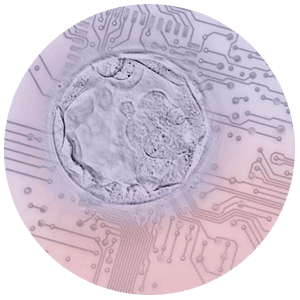
An Instituto Bernabeu research study applies Artificial Intelligence to predict mosaicism and aneuploidies in the embryo

Alicante closes the international experts congress in reproductive medicine with a focus on Artificial Intelligence

Rafael Bernabeu: “Rigorous diagnosis, precise decisions and proper planning shorten the time to pregnancy”

Alicante will be a scientific focal point in reproductive medicine at the third international meeting of Instituto Bernabeu experts

Instituto Bernabeu creates the first International Artificial Intelligence Unit applied to Reproductive Medicine