
Genetics
Genetics is the branch of biology that studies how biological inheritance is transmitted from parents to children and how our body works. Learn the details of the specialty and the latest avant-garde. The transmission of diseases and what we can do at Instituto Bernabeu to detect them and prevent them from being transmitted to new generations. As well as the new tests and firsts that arise from our lines of research.
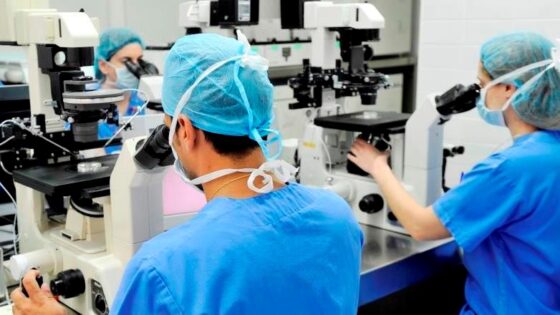
Why does embryonic arrest sometimes happen during in vitro development?
Many factors can intervene in arrest processes during embryo development which mean cell division is detained and, therefore, it is not possible to implant the embryo in the mother’s uterus and bring about a pregnancy. […]
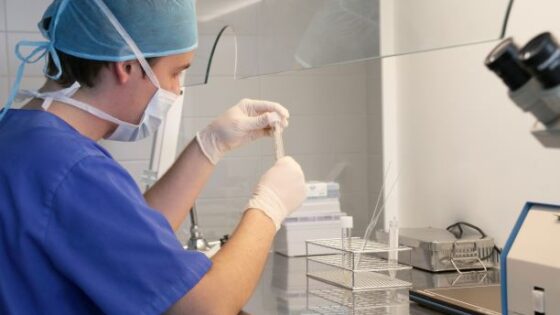
Spermiogramme and Advanced Semen Studies (FISH AND TUNEL)
One of the basic studies done to determine the male’s sperm quality is the seminogramme , also known as spermiogramme. We would need a sperm sample to carry it out (see how to take the […]

Marfan Syndrome and PGD (embryo genetic diagnosis)
We now can avoid the transmission to offspring with the PGD techniques (embryo’s Pre-implantation Genetic Diagnosis) also called PGT-M Symptoms and causes of Marfan syndrome The connective tissue serves to hold together body tissues and […]
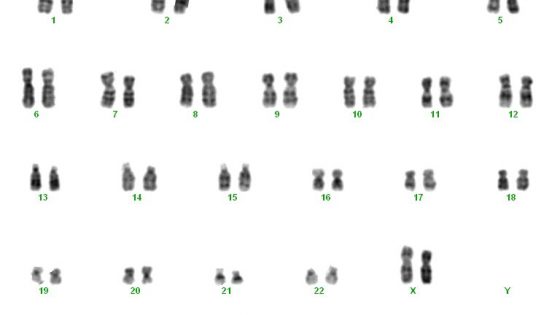
All our genetic information is encoded in DNA. DNA is found in the nucleus of every cell of our body as part of the structures called chromosomes. The analysis of these chromosomes is called a […]
The advantages and disadvantages of pre-implantation genetic diagnosis (PGD)
Pre-implantation genetic diagnosis (PGD) consists of studying chromosomal abnormalities and genetic abnormalities in the embryo prior to transfer to the mother. Its purpose is to ensure that children are healthy and put an end to the transmission of a specific condition. […]
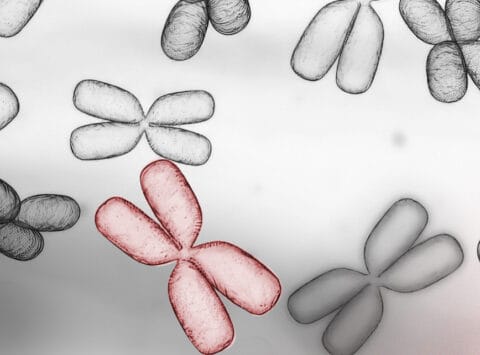
Structural chromosome abnormalities: how do they impact the embryo and the carrier?
In comparison with the general population, there is a greater prevalence of chromosomal abnormalities amongst couples with reproduction issues. An analysis of the 46 chromosomes (23 pairs), DNA structures and highly-organised proteins that contain a […]
Pharmacogenetics for the treatment of low ovarian reserve
The application of pharmacogenetics to ovarian stimulation will specially benefit women with low ovarian reserve. What is pharmacogenetics? There are many variables that can modify the effects of the drugs on each person and, among […]

Cystic fibrosis is a chronic and progressive disease that appears in early childhood and affects many organs in the body, (such as the lungs, intestines, pancreas, liver…). The disease causes thick mucus production, which leads […]
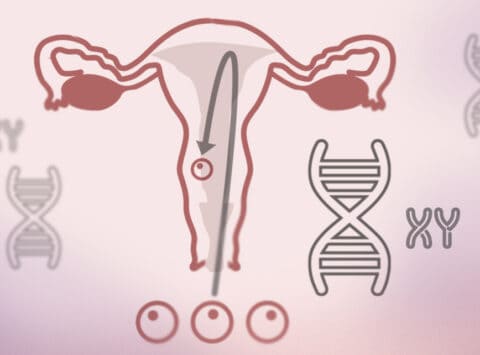
Chromosomal alterations in repeated miscarriages
Couples who get pregnant, either naturally or through assisted reproductive techniques, are especially worried about the successful outcome of the pregnancy. Unfortunately, some pregnancies end in miscarriage or fetal loss in the week 20 of […]

Progress in treatment for patients with poor ovarian response
Personalising courses of treatment is undoubtedly currently the most important area of change in the field of medicine. A specific strategy should be designed depending on each patient’s individual characteristics. Identified the genes involved in ovarian […]