
Implantation failure and recurrent miscarriage
Embryo implantation failure requires a specialized approach. At Instituto Bernabeu we take care of it from a specific multidisciplinary unit from the design of the most appropriate treatment for each patient, until the achievement of a healthy evolutionary pregnancy. We share in this section the latest advances in its diagnosis and treatment.
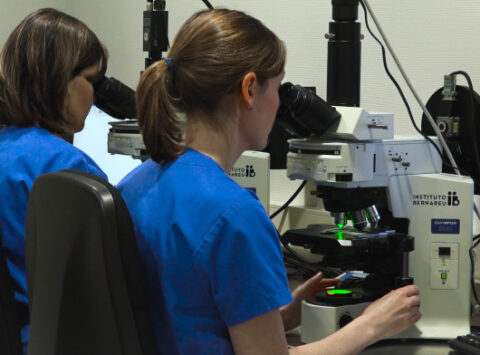
IBGen RIF: a genetics test for detecting recurrent pregnancy loss and implantation failure
Instituto Bernabeu has managed to determine which genes cause recurrent pregnancy loss and implantation failure. The findings are the result of four years of research and the clinic’s commitment to helping patients who suffer from infertility […]
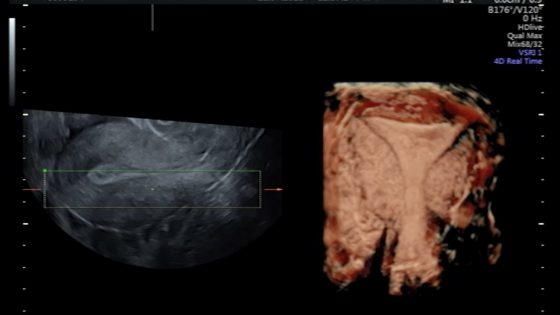
Do abnormal uterine contractions cause embryo implantation failure?
Implantation failure, defined as recurrent embryo transfer failures, remains a mystery because its cause is not always clear. The contractions that take place in the uterus could be one possible explanation for it. The uterus is a muscle […]
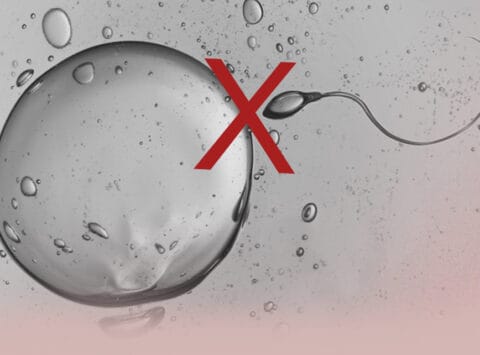
Why hasn’t my assisted reproduction treatment worked?
The miracle of conception involves an intimate union between the ova and spermatozoon, appropriate evolution of the fertilised embryo and, furthermore, an ideal environment inside the uterus so that implantation can take place. Whilst this process might seem simple, […]
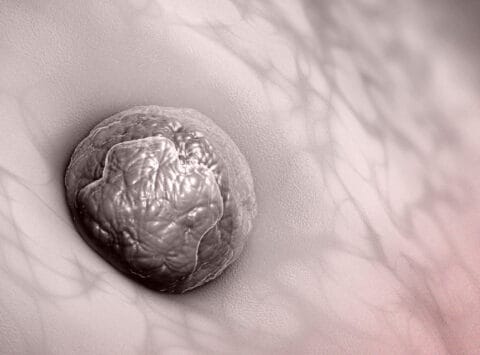
The link between thrombophilia and recurrent implantation failure
The percentage of pregnancies achieved following assisted reproduction treatment has progressively increased over the years but we still have a long way to go before we achieve optimum results. This is why alternative treatment options that have not […]
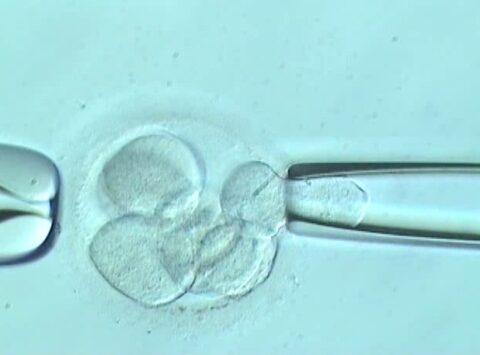
The latest in pre-implantation genetic diagnosis (PGD)
Pre-implantation genetic diagnosis(PGD) consists of studying chromosomalabnormalities and genetic abnormalities in the embryo prior to transfer to the mother. Itspurpose is to ensure that children are healthy and to bring thetransmission of a given condition to an end. Significant progress […]

The extent of the issue Obesity is a public health issue both in the general population and in women of childbearing age. The figures are a proof of this and, far from improving, the problem […]
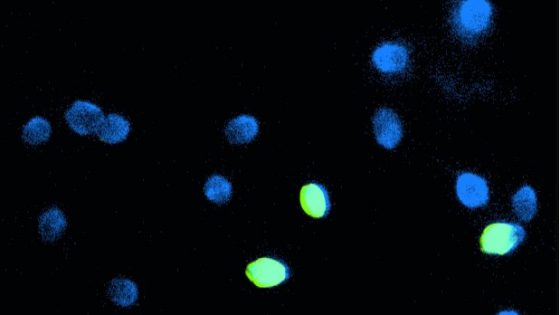
DNA fragmentation in sperm: TUNEL
When a couple fails to get pregnant or has an unsuccessful pregnancy, a number of tests performed on both partners is recommended. One of the basic tests in analysis of the male partner involves performing a seminogram […]
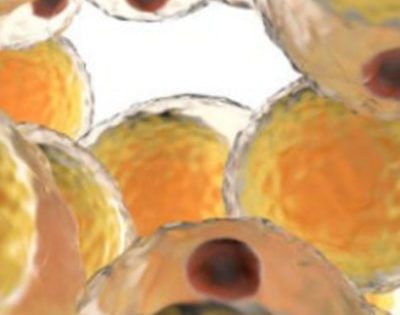
What is a hysterosalpingography?
A hysterosalpingography is an examination using x-rays and, as its name suggests, it is used for exploring the uterus (hystero-) and fallopian tubes (salpingo-). The examination is rather uncomfortable but this is remedied by giving the […]
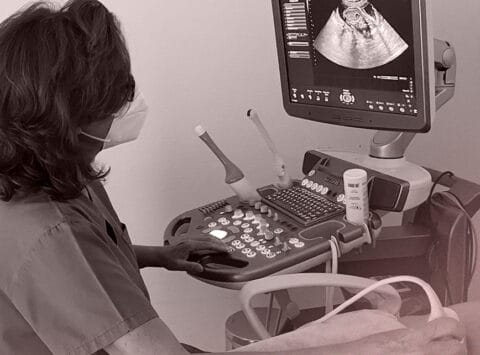
What are the causes of recurrent pregnancy loss?
Spontaneous abortion is defined as an unexpected pregnancy loss before the foetus is viable. In other words, before week 22 of pregnancy and under 500g in weight. The frequency rate of spontaneous abortion is estimated […]
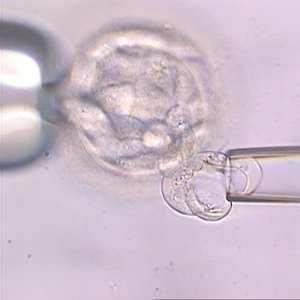
Pre-implantation genetic diagnosis (PGD): comprehensive chromosome screening
Pre-implantacional genetic diagnosis (PGD) is a technique used to detect genetic or chromosomal abnormalities and it is performed on the embryo prior to transfer to the mother’s uterus. Its use is recommended in couples where one […]