
RBMO International Journal publishes a new ovarian stimulation protocol for low ovarian reserve patients, developed by Dr Quartucci and Dr Bertapelle of Instituto Bernabeu Venice
March, 10th 2026
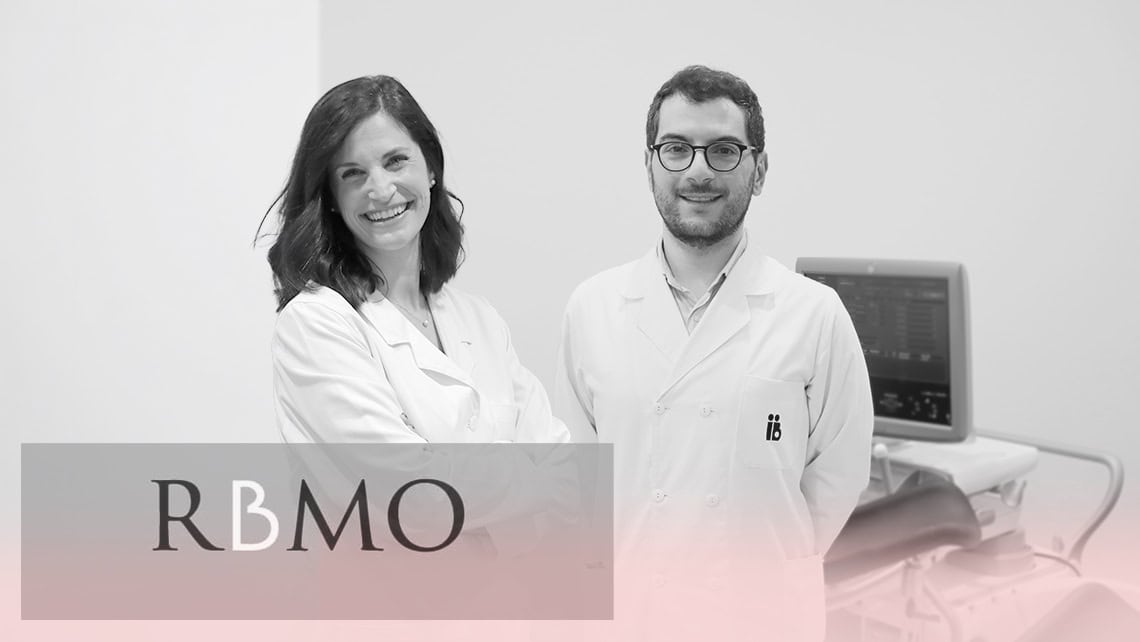
The prestigious international scientific journal RBMO – Reproductive BioMedicine Online has recently published a study by gynaecologists Dr Giulia Bertapelle and Dr Antonio Quartucci, specialists at Instituto Bernabeu Venice. The research analyses a new ovarian stimulation approach aimed at improving fresh embryo transfer prospects in patients with low ovarian reserve.
Low ovarian reserve represents one of the greatest challenges in reproductive medicine; consequently, Instituto Bernabeu has a dedicated treatment unit for this condition. In these patients, the number of oocytes available for In Vitro Fertilisation (IVF) treatment is limited, making the optimisation of every treatment cycle fundamental. In this context, the possibility of performing a fresh embryo transfer—without the need for prior cryopreservation—can be particularly relevant for maximising success rates.
The published study evaluates a stimulation protocol based on corifollitropin alfa (CFA) followed by low doses of recombinant FSH (r-FSH). This approach seeks to replicate the hormonal dynamics of natural cycles more physiologically, promoting follicular development while maintaining a more stable hormonal balance during ovarian stimulation.
One of the key aspects analysed by the researchers is the premature rise in progesterone, a phenomenon that can occur during ovarian stimulation and which, when it arises, can impair endometrial receptivity. In such cases, specialists typically opt to freeze the embryos and postpone the transfer to a subsequent cycle (a strategy known as “freeze-all”).
The study results demonstrate that the protocol based on corifollitropin alfa associated with low doses of r-FSH significantly reduces the risk of premature progesterone elevation. This effect could allow for an increase in the proportion of fresh embryo transfers, in many cases precluding the necessity for mandatory embryo freezing.
According to the data obtained, the application of this protocol is associated with an 89% reduction in the probability of a premature rise in progesterone, which helps maintain a more suitable endometrial environment for embryo implantation. Furthermore, the study shows an increase in the fresh transfer rate, which rose from 44% to 65%.
These findings open new perspectives in the clinical management of patients with low ovarian reserve—an especially complex group in assisted reproduction, where every treatment cycle represents a valuable opportunity.
The publication of this research in a leading international scientific journal reflects Instituto Bernabeu’s commitment to clinical research, aimed at refining therapeutic strategies and offering patients increasingly personalised and effective treatments.
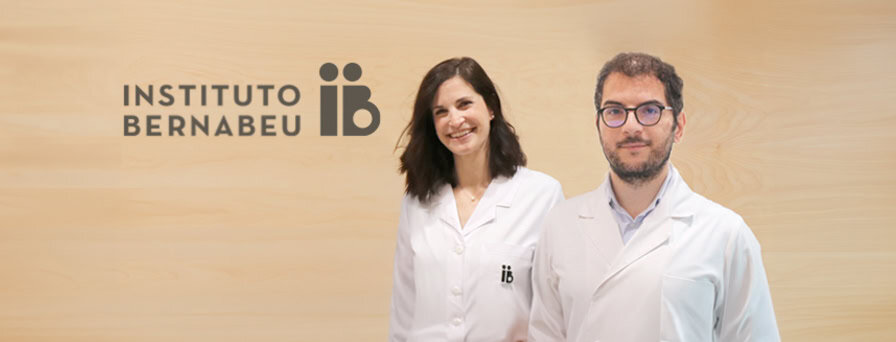
Interview with the Authors
What clinical need led you to investigate new stimulation protocols for patients with low ovarian reserve, and what does your work contribute compared to traditional regimens?
Dr Giulia Bertapelle and Dr Antonio Quartucci: In patients with low ovarian reserve, fresh embryo transfer frequently represents the preferable clinical strategy for optimising pregnancy and live birth rates. Our study contributes to this field by demonstrating that the use of corifollitropin alfa, associated with low doses of r-FSH, significantly reduces the risk of premature progesterone elevation compared to standard high-dose protocols. This approach limits the reliance on mandatory embryo freezing (freeze-all) strategies, thereby facilitating fresh embryo transfers.
Your study proposes stimulation based on corifollitropin alfa (CFA) followed by low-dose r-FSH. Why does this approach help control progesterone and improve success rates?
Dr Giulia Bertapelle and Dr Antonio Quartucci: This protocol replicates the physiological FSH dynamics observed in natural cycles, promoting follicular development while maintaining a more stable hormonal balance. The results show that this strategy reduces the probability of early progesterone elevation by 89%, ensuring an optimal endometrial environment for embryo implantation without compromising the stimulation of follicular growth.
In addition to your clinical activity at Instituto Bernabeu, you also conduct research. What real benefits can this protocol offer to couples undergoing treatment?
Dr Giulia Bertapelle and Dr Antonio Quartucci: The protocol is easily integrated into daily clinical practice and has been shown to significantly increase the fresh transfer rate, which rose from 44% to 65%. This strategy constitutes a potential clinical benefit for patients with low ovarian reserve, as it offers the possibility of avoiding mandatory embryo freezing and the subsequent risk of reducing success rates in a context where every opportunity for a fresh transfer is decisive for the final prognosis.