
Artificial insemination
We explain the treatments and tests involved in this ambulatory assisted reproductive technique, which is often used by women without fertility problems.
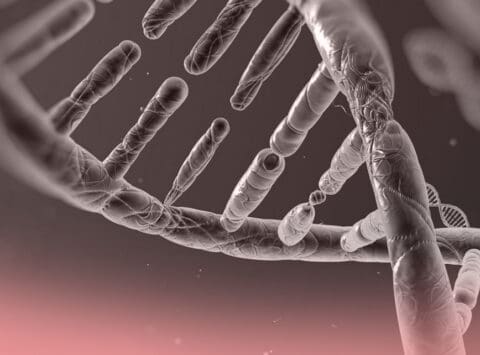
Indications of Preimplantation Genetic Diagnosis (PGD)
Preimplantation Genetic Diagnosis (PGD) is a new technique used in Reproductive Medicine and is one of the main sources of innovation and research. PGD allows embryos to be selected from assisted reproduction cycles and tested […]
A patient with low response to the ovarian stimulation for IVF is probably the most significant challenge faced by professionals treating couples with fertility problems.
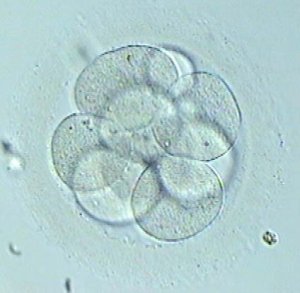
Embryo vitrification: when and how?
A good embryo freezing programme is essential when trying to increase the chances of pregnancy in couples who undergo assisted reproduction techniques. Over the last few years, we have observed a significant increase in thawing cycles with posterior embryo transfer […]
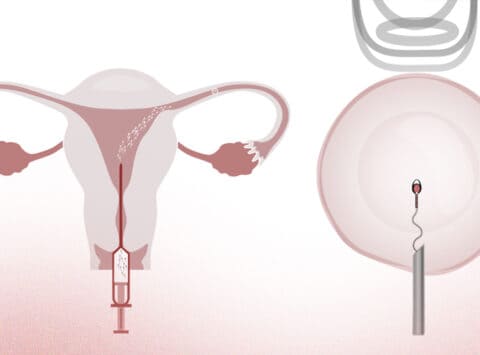
Differences between Artificial Insemination and In Vitro Fertilisation
Artificial insemination is a simple technique carried out on couples with specific fertility problems. The ideal candidate would be a young woman with permeable fallopian tubes, less than 3 years of sterility and a male […]
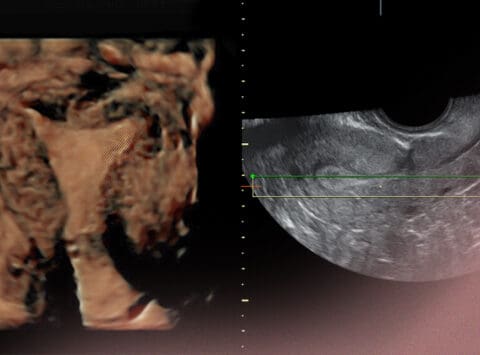
Importance of endometrial thickness in Assisted Reproduction treatments
Given the essential role of the endometrial receptivity in the success of any Assisted Reproduction treatment (In Vitro Fertilisation, frozen embryo transfers (CT) or egg donation cycles), the uterus’ capacity to “accept” the embryo must […]