
Environmental toxic substances, endocrine disruptors and fertility
In recent years, there has been a growing scientific interest in understanding the relationship between environmental and occupational exposure to toxins and pollutants and various human health disorders, as well as the involvement of these substances in a couple’s reproductive capacity.
An increasing number of studies suggest that a portion of infertility cases classified as being of unknown origin may be related to chronic exposure to environmental pollutants. These substances are capable of inducing oxidative stress, hormonal imbalances, and genetic and epigenetic changes in reproductive cells.
Contamination
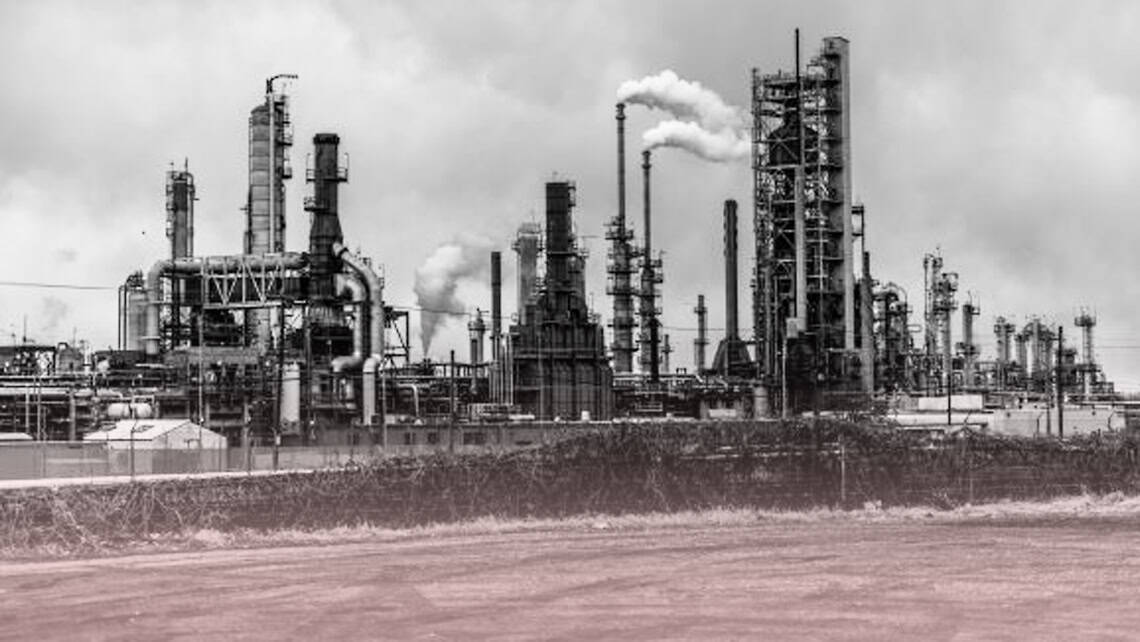
Environmental contamination is defined as the presence of harmful elements (chemical, physical, or biological) in the environment that can cause damage to living organisms.
Several recent studies continue to reinforce the hypothesis that a significant proportion of human sterility cases could be linked to environmental or occupational exposure to pollutants. These exposures can lead to increased oxidative stress, disruptions in hormonal regulation, and genetic and epigenetic damage to gametes, affecting both sperm and oocyte quality.
However, the impact of these chemical substances on fertility depends on multiple factors, including:
- The type of pollutant.
- The duration of exposure.
- The absorbed concentration.
- The life stage at which contact occurs.
Types of toxic substances
Among the environmental toxic agents most studied for their potential negative effects on human fertility are:
- Aromatic hydrocarbons (benzene, toluene), which are linked to alterations in seminal quality.
- Halogenated hydrocarbons, such as phthalates and other industrial compounds widely used in plastics.
- Organochlorine compounds, found in persistent pesticides and associated with hormonal and reproductive disturbances.
- Heavy metals, such as lead and cadmium, linked to impaired spermatogenesis and ovarian dysfunction.
- Volatile Organic Compounds (VOCs), whose environmental exposure has recently been associated with a higher risk of female infertility.
Endocrine disruptors
Endocrine disruptors are exogenous chemical substances, either natural or synthetic, capable of interfering with the production, release, transport, or action of the body’s natural hormones, such as estrogens, androgens, and thyroid hormones. Many of them act as “false estrogens” or hormonal modulators.
Among the best-known endocrine disruptors are certain organochlorine pesticides, phthalates, bisphenol A (BPA), PFAS, and other industrial compounds widely present in daily life.
One of the main characteristics of endocrine disruptors is that their biological effect depends largely on the developmental stage during which exposure occurs. Thus, contact during fetal life, childhood, or puberty can have more severe and lasting consequences than exposure during adulthood. Furthermore, unlike other toxins, very low doses can be sufficient to generate adverse effects.
Numerous studies have shown that virtually the entire population has detectable levels of endocrine disruptors in their bodies, as many of them accumulate in adipose tissue. Exposure during adulthood or even before birth can affect not only individual fertility but also the reproductive health of future generations through epigenetic mechanisms.
Depending on the developmental timing of the exposure, endocrine disruptors have been linked to:
- Abnormalities in the formation and closure of the urethra (hypospadias)
- Impaired testicular descent (cryptorchidism)
- Decreased seminal quality and impaired spermatogenesis.
- Increased risk of testicular cancer in adulthood.
- Ovarian function disorders and benign abnormalities of the uterus and breasts.
- Endometriosis and menstrual cycle irregularities.
Performing a detailed environmental clinical history is fundamental for couples with fertility issues. The goal is to identify avoidable exposures, improve prevention, and guide diagnosis and treatment regarding these substances, which are increasingly present in our daily surroundings.
Bibliographic References:
- Checa Vizcaíno MA, González-Comadran M, Jacquemin B. Outdoor air pollution and human infertility: a systematic review. Fertil Steril. 2016;106(4):897-904.e1.
- Brehm E, Flaws JA. Transgenerational effects of endocrine-disrupting chemicals on male and female reproduction. Endocrinology. 2019;160(6):1421-1435.
- Tricotteaux-Zarqaoui S, Bourguignon JP, Parent AS. Endocrine-disrupting chemicals and female fertility. Front Public Health. 2024;12:1466967.
- Tzouma Z, Andriotis E, Koutsilieris M, Marmarinos A. Endocrine-disrupting chemicals and human fertility: a systematic review. Reprod Biol Endocrinol. 2025;23:13.
IT MAY ALSO BE OF INTEREST TO YOU:
- In Vitro Fertilization (IVF) at Instituto Bernabeu
- Poor Ovarian Response Unit at Instituto Bernabeu
- Endometriosis Unit at Instituto Bernabeu
- Sperm retrieval techniques
Dr. Jorge Ten, director of the Embryology Unit of Instituto Bernabeu