Instituto Bernabeu organizes and hosts the “4th Science, Youth, and Fertility Workshop,” opening its laboratories to Vocational Training students
March, 27th 2026
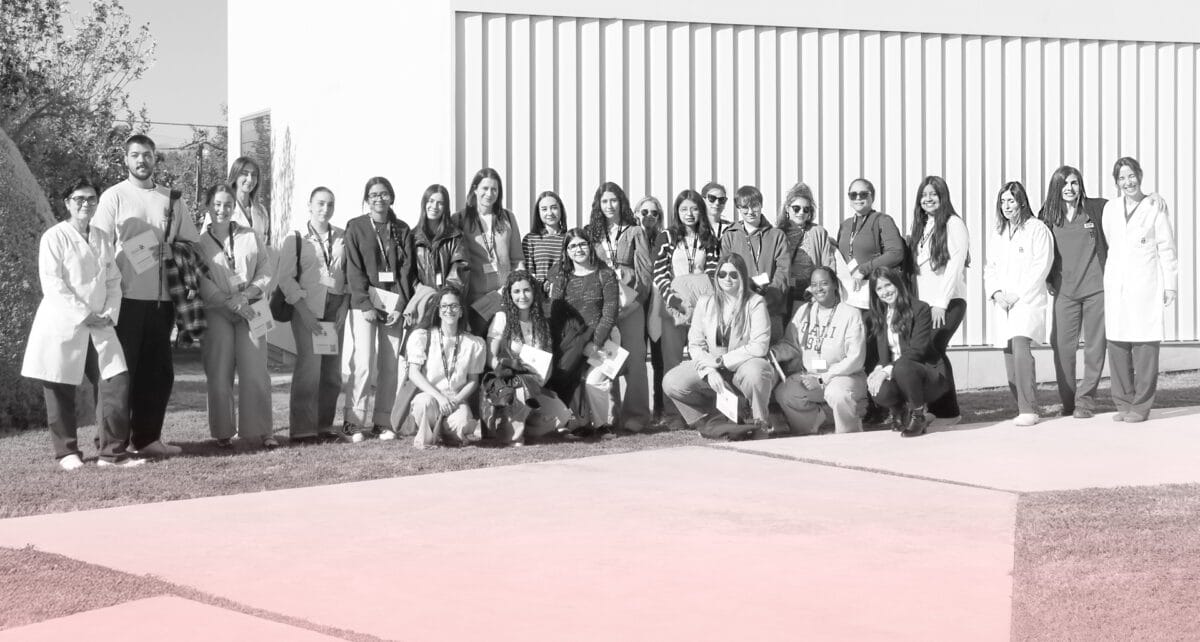
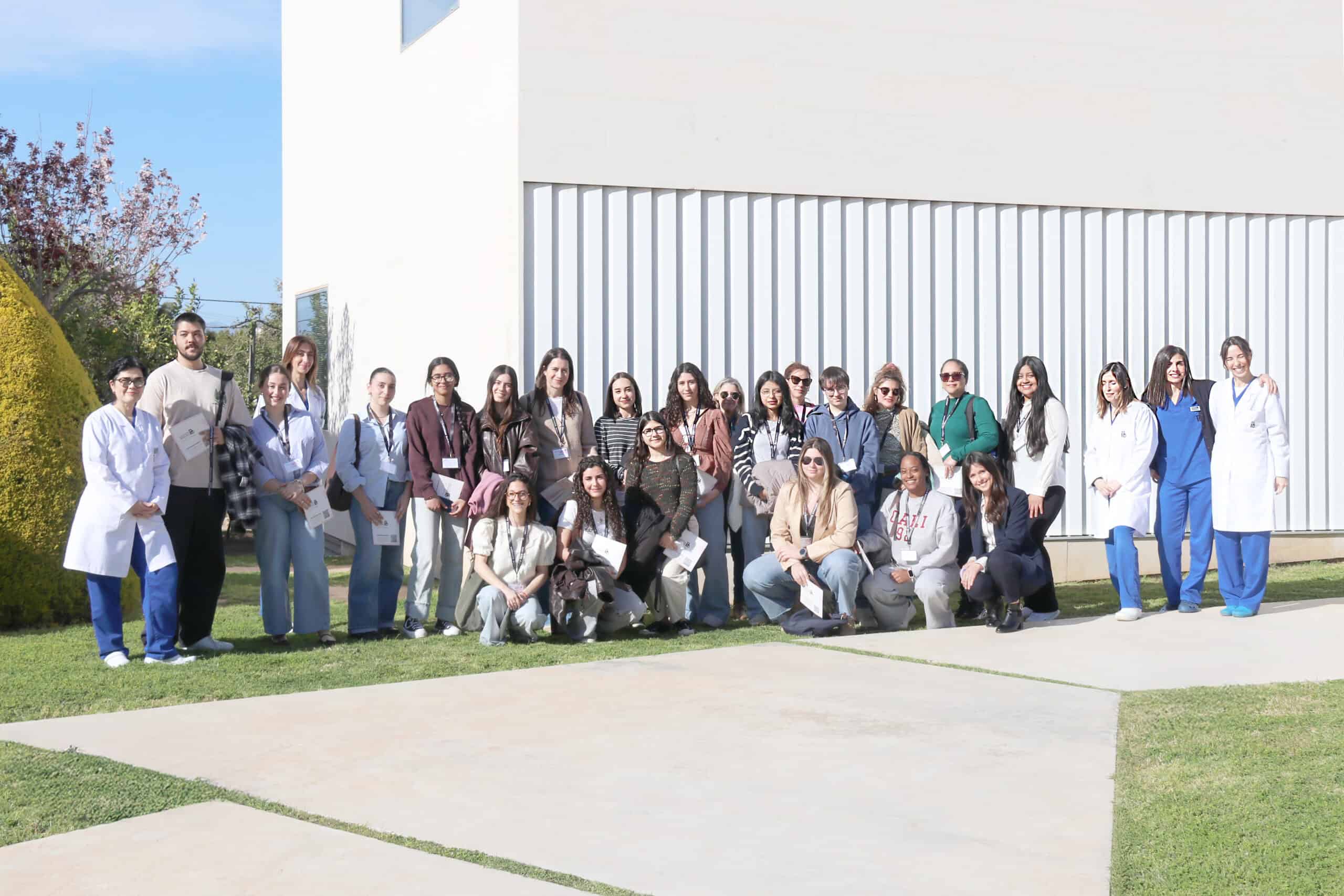
On March 26, Instituto Bernabeu held the 4th Science, Youth, and Fertility Workshop at its Alicante clinic. This educational initiative, aimed at Vocational Training students, brings reproductive medicine, genetics, and biomedical research closer to younger generations.
The event gathered first-year students from the Clinical and Biomedical Laboratory program of the Health Department at CIPFP Canastell. Accompanied by their teachers—Alba Valero Escarabajal, Carmen Villodre, Maria Pilar Rigual, Raquel Andrés, and Carla Vergara—they had the opportunity to learn firsthand about the daily work carried out by the Instituto Bernabeu team in the fields of assisted reproduction and genetics.
As part of Instituto Bernabeu’s commitment to science, research, and education, this initiative seeks to introduce scientific activity to the city’s future healthcare professionals, allowing them to discover how specialists and laboratories involved in the diagnosis and treatment of infertility operate.
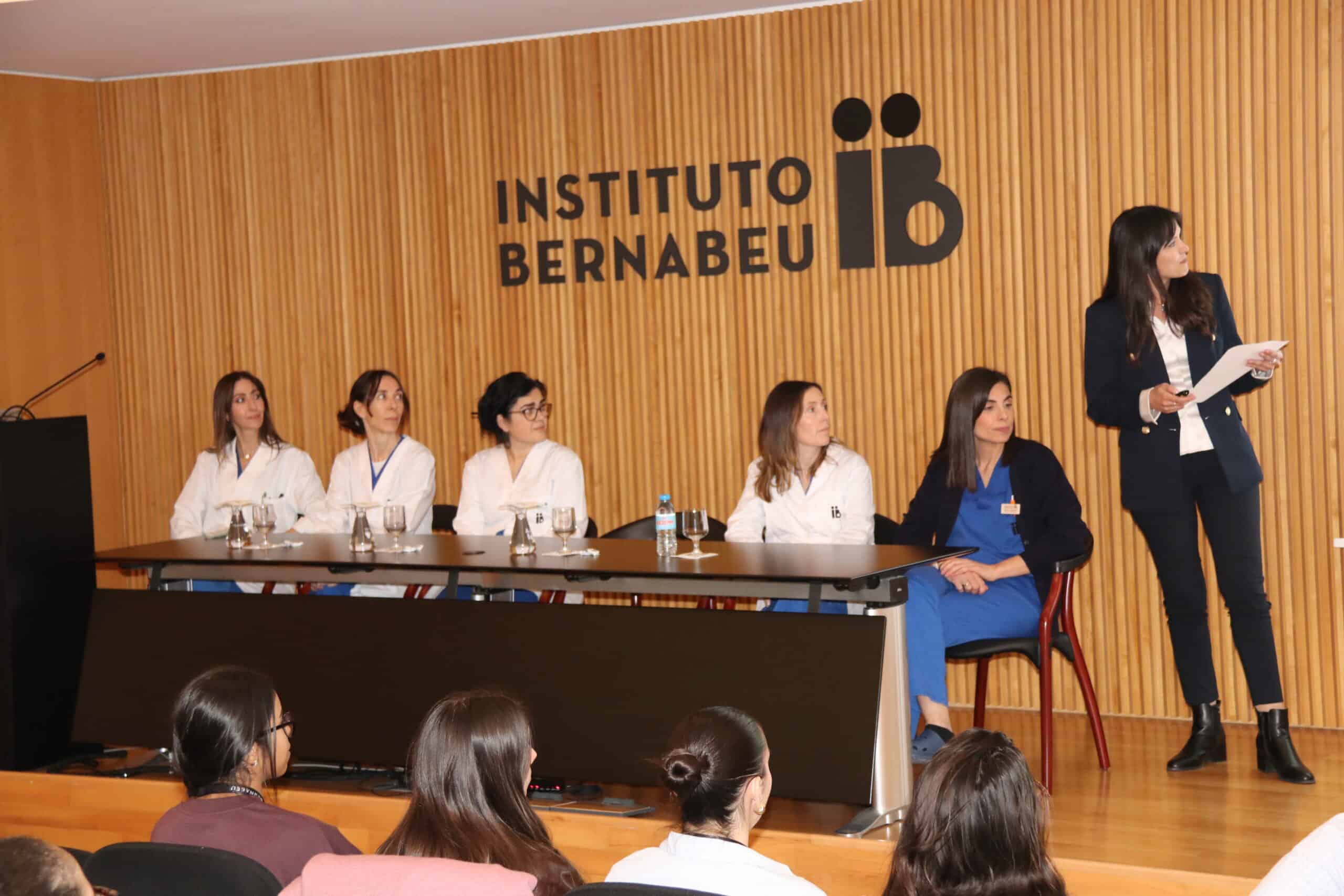
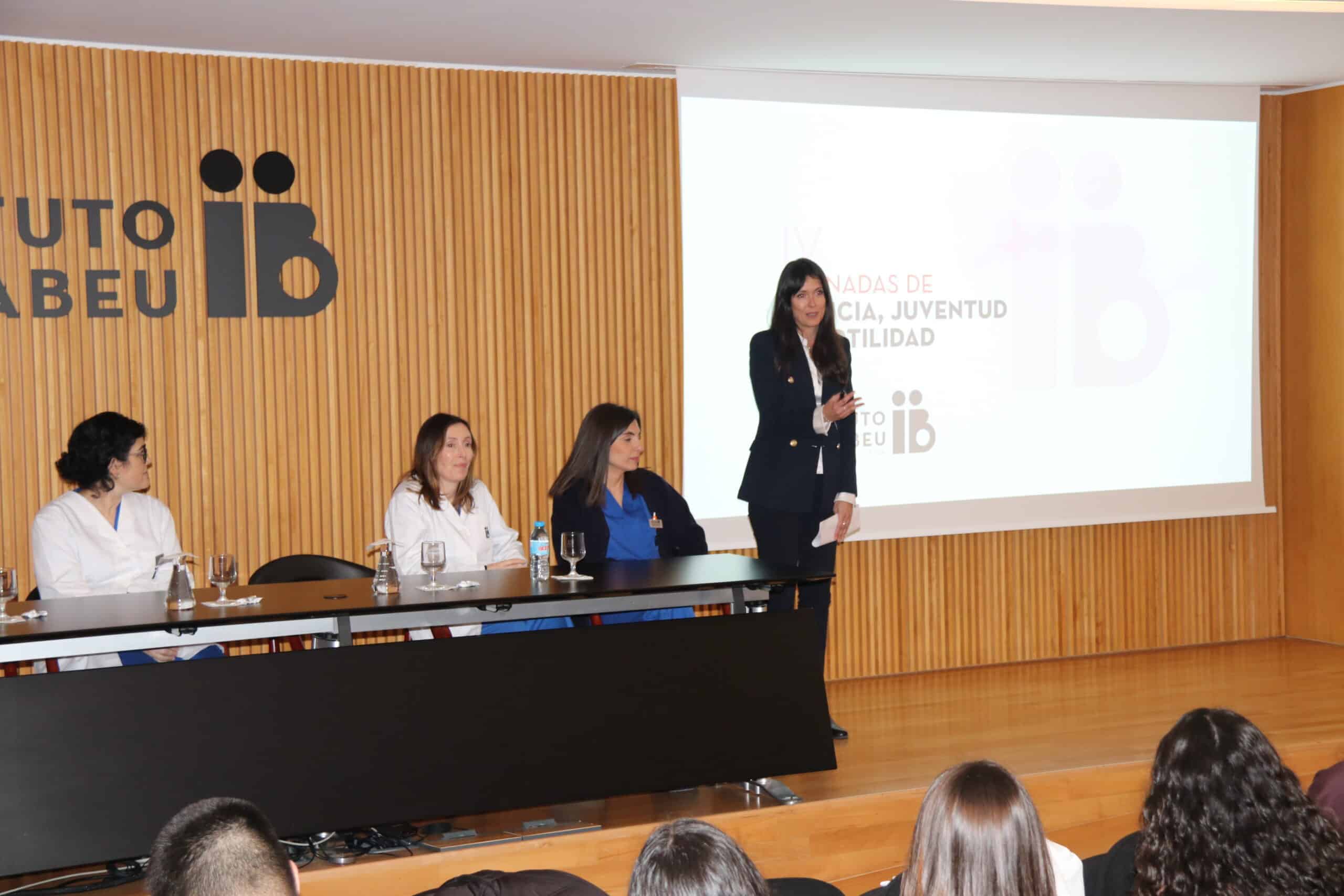
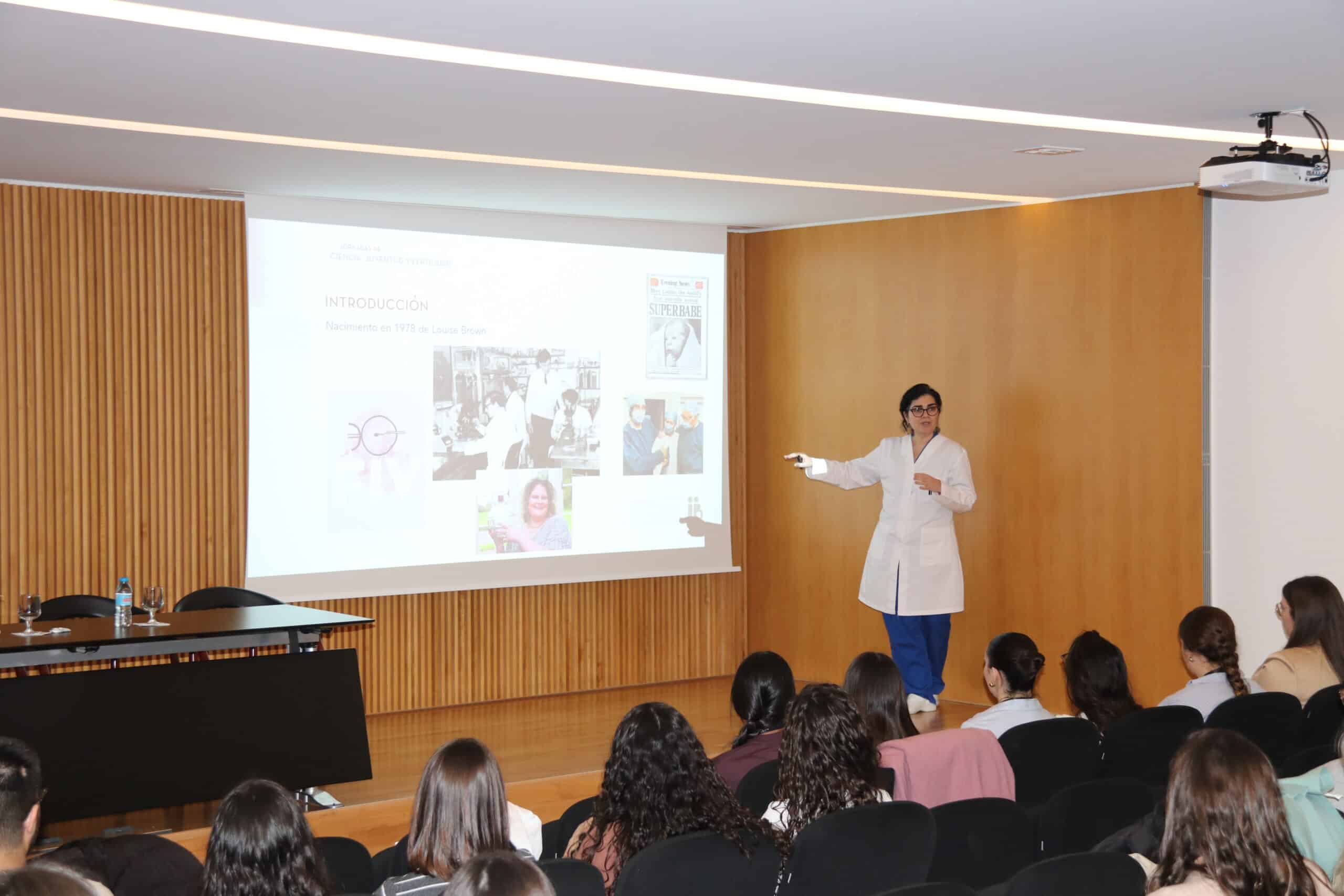
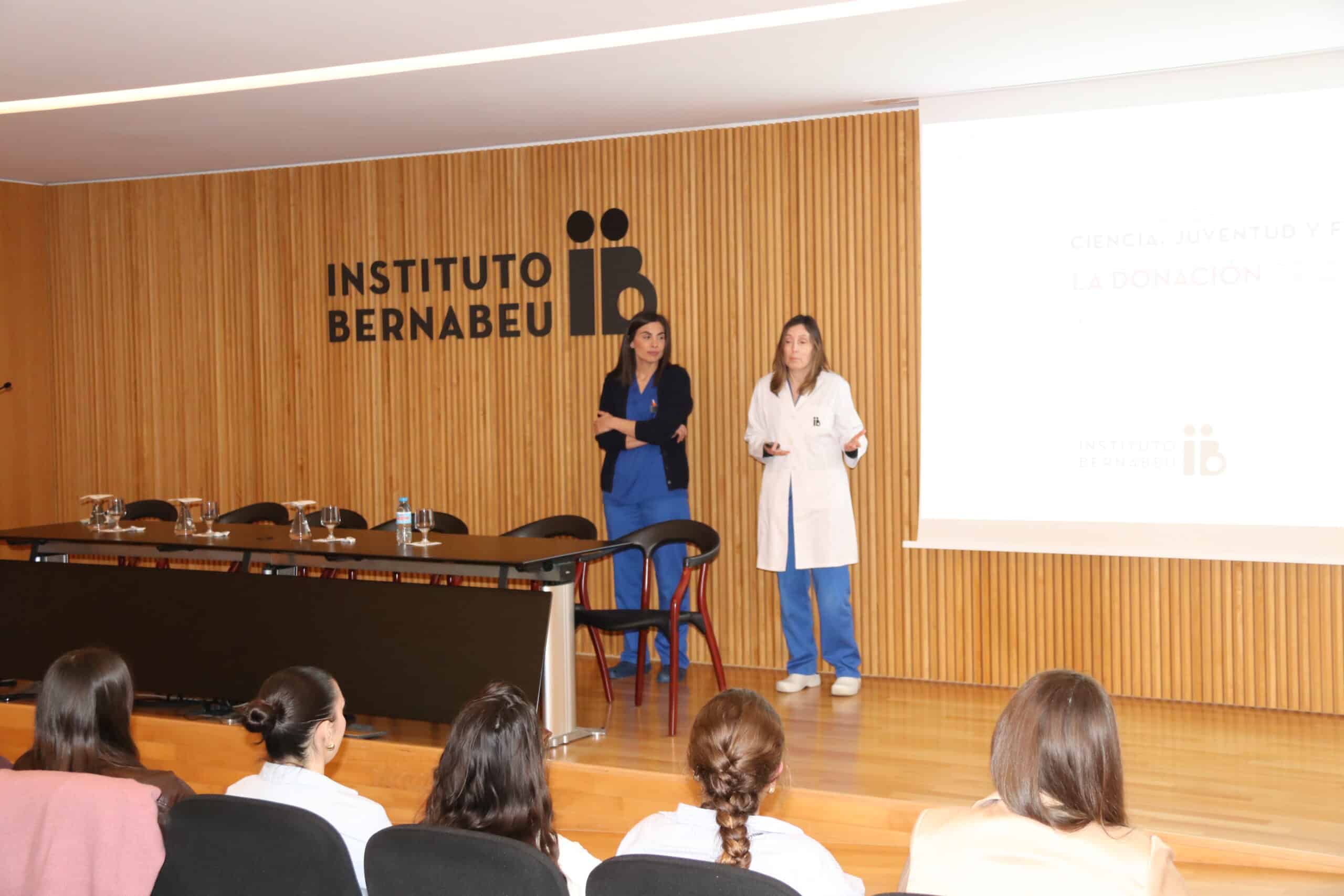
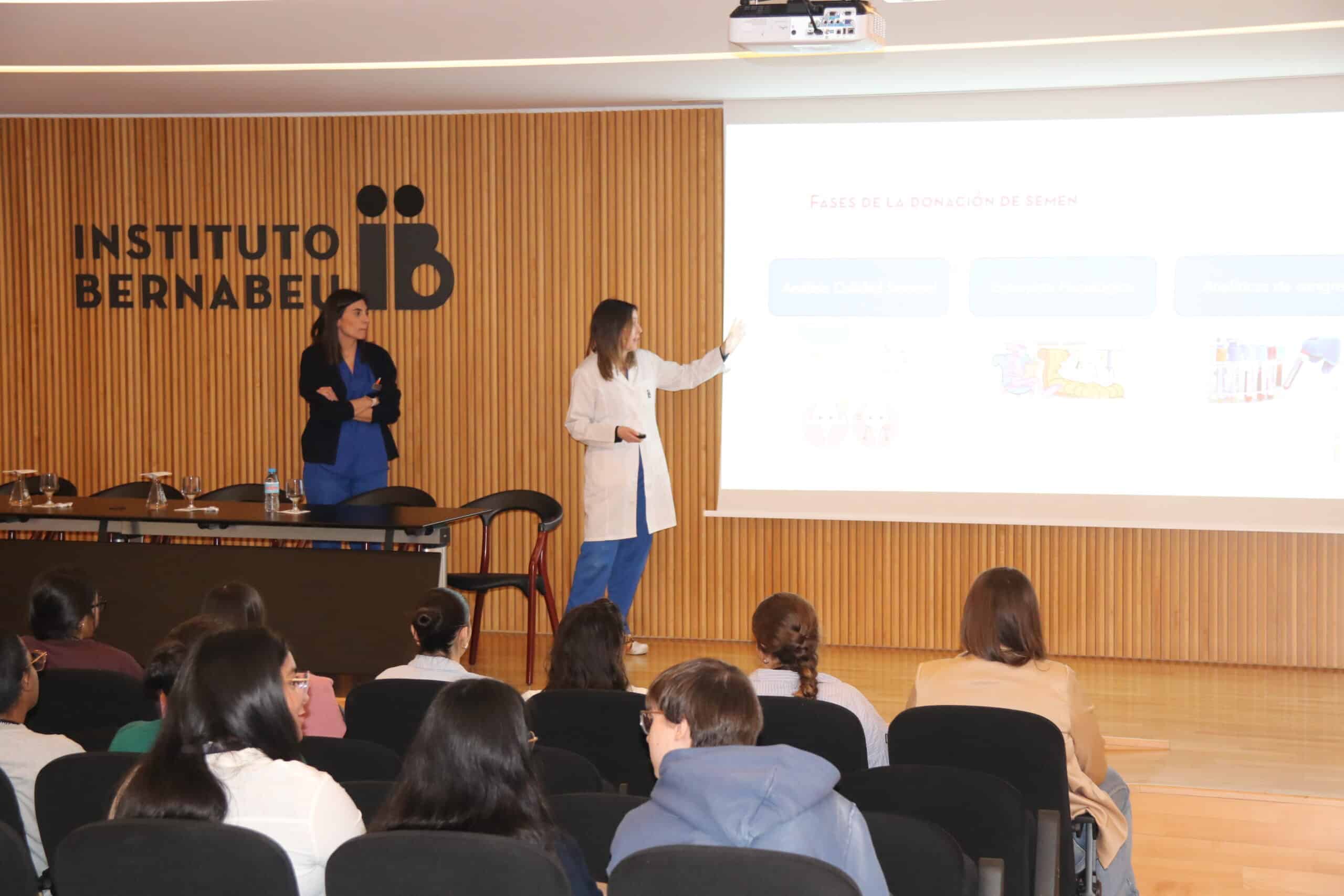
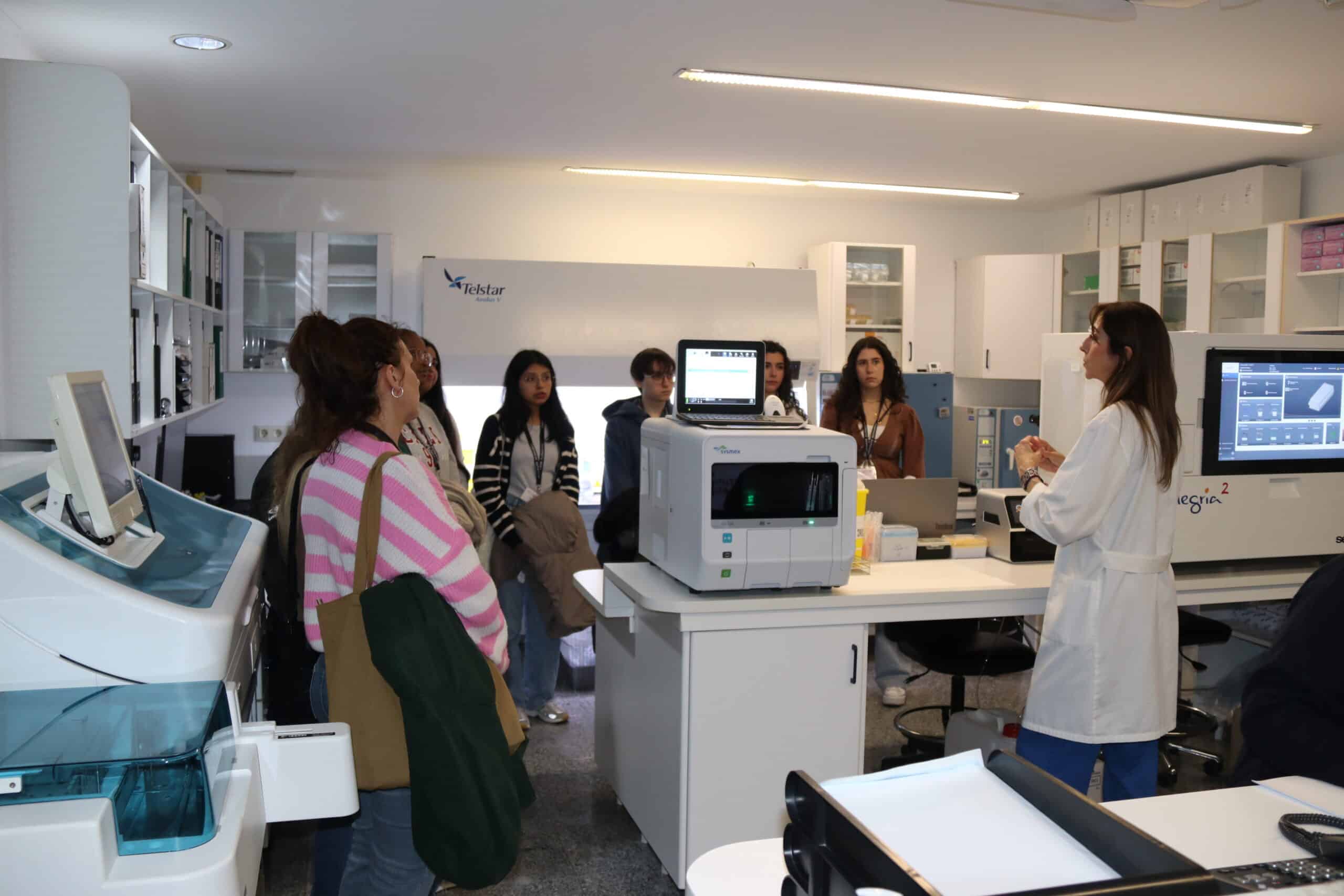
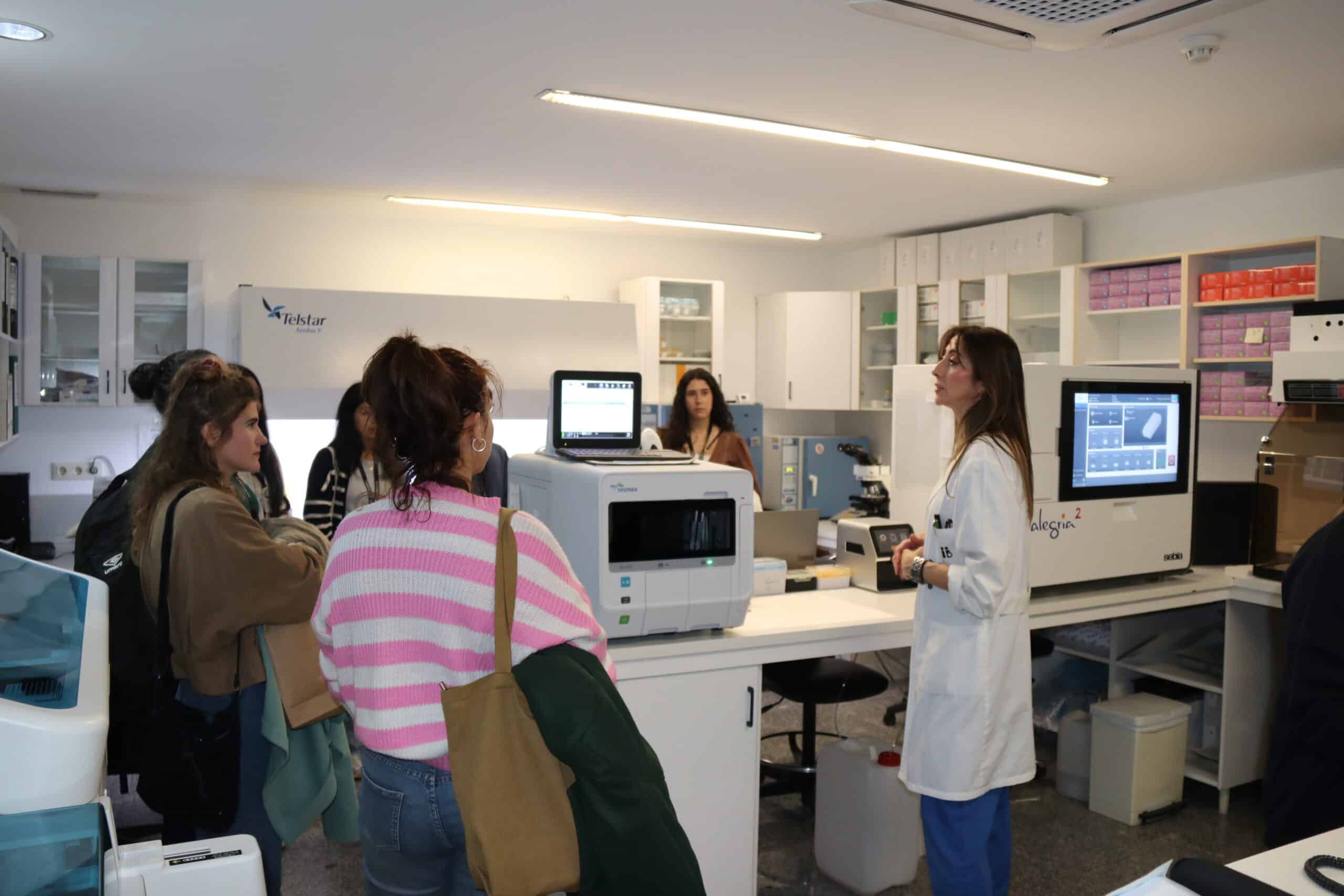
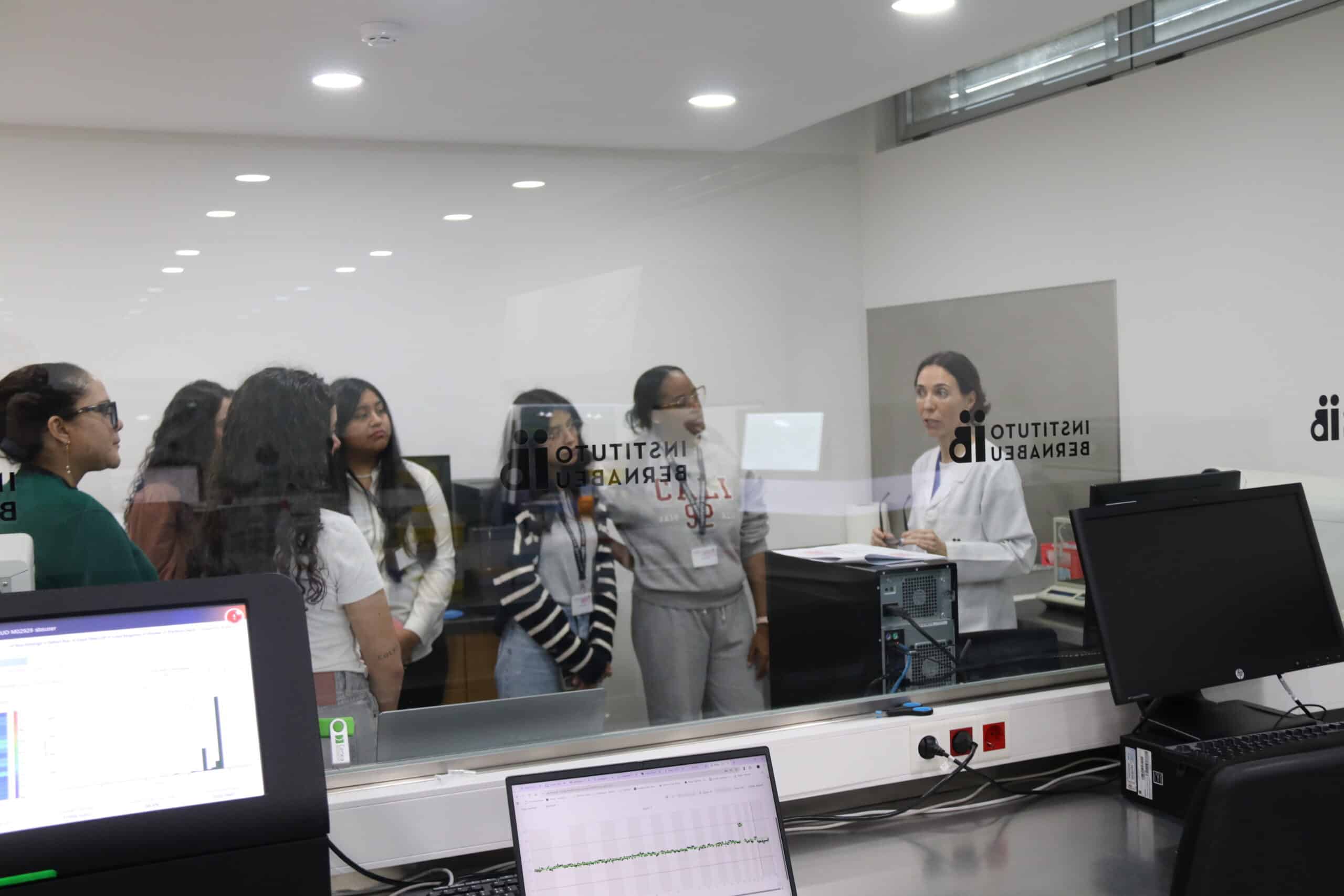
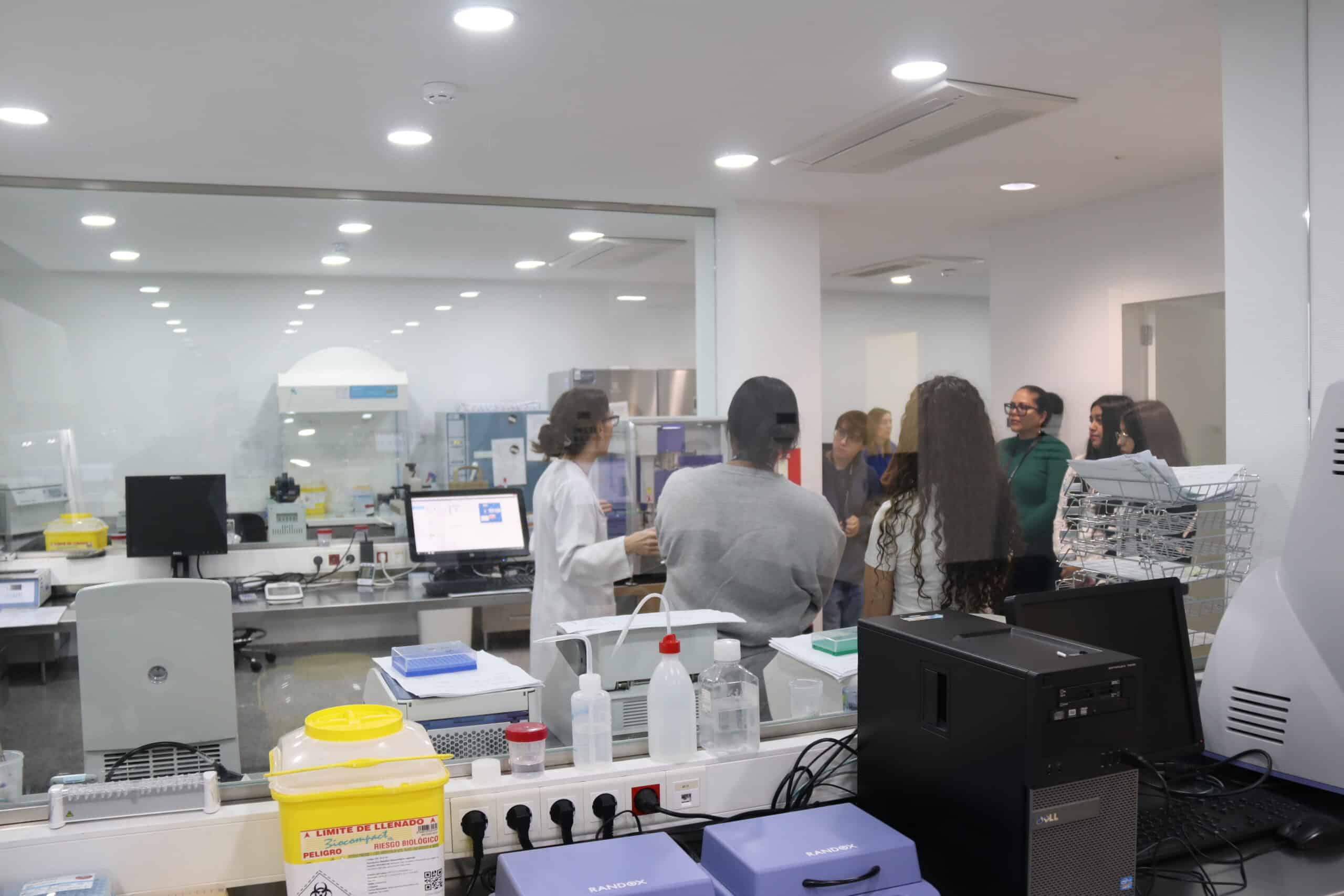
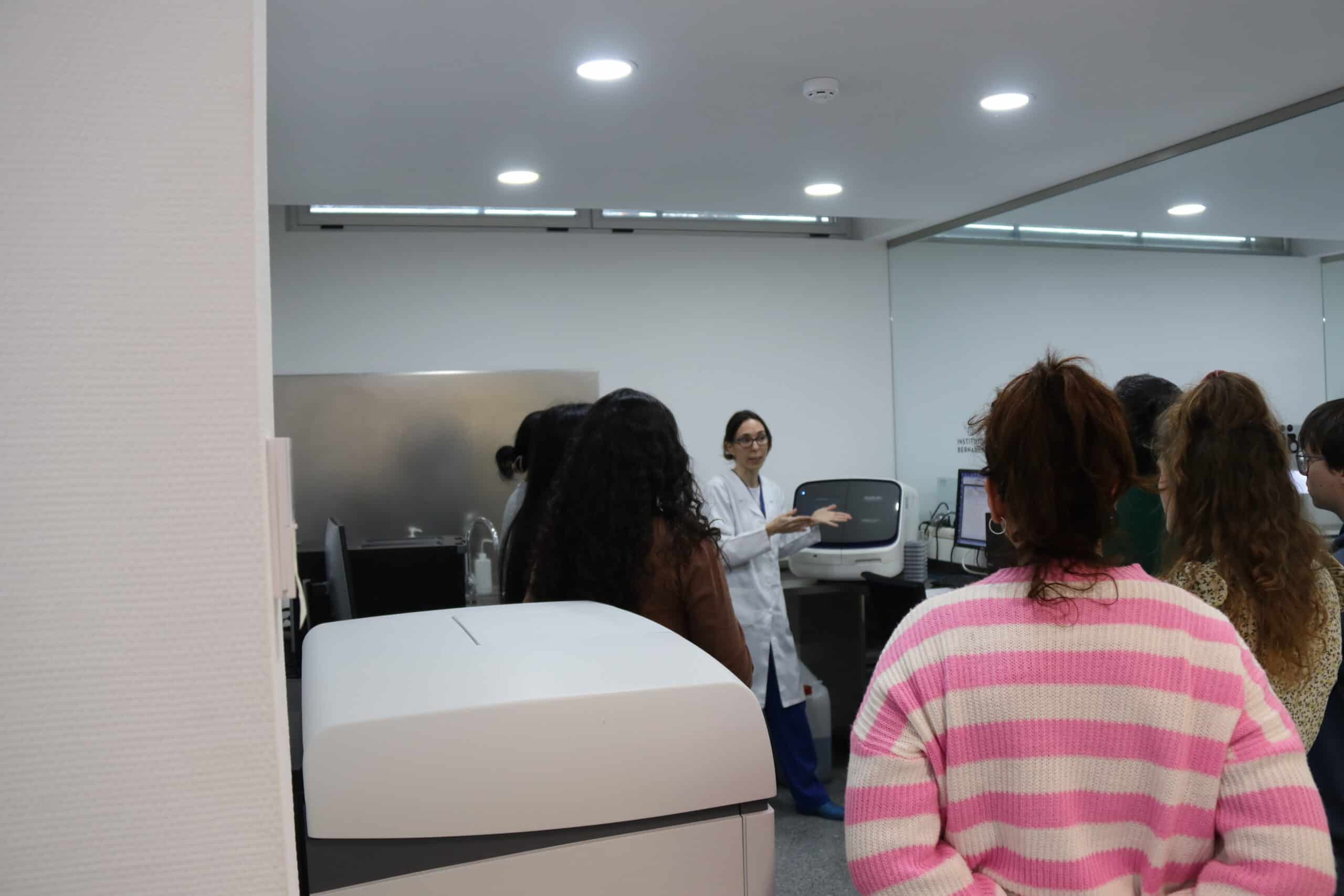
During the visit, students toured various areas of the center and learned about the functioning of the molecular genetics, andrology, and in vitro fertilization laboratories. They also attended training sessions in our auditorium, which introduced them to the wonderful world of reproductive medicine and offered the chance to discuss current scientific challenges with the professional team.
As a new feature of this fourth edition, the workshop included a session dedicated to career paths, where students explored the different job opportunities available within our clinical, research, and educational scope. The day was structured into five thematic blocks, in which various specialists from the Institute shared their expertise and explained key areas of work:
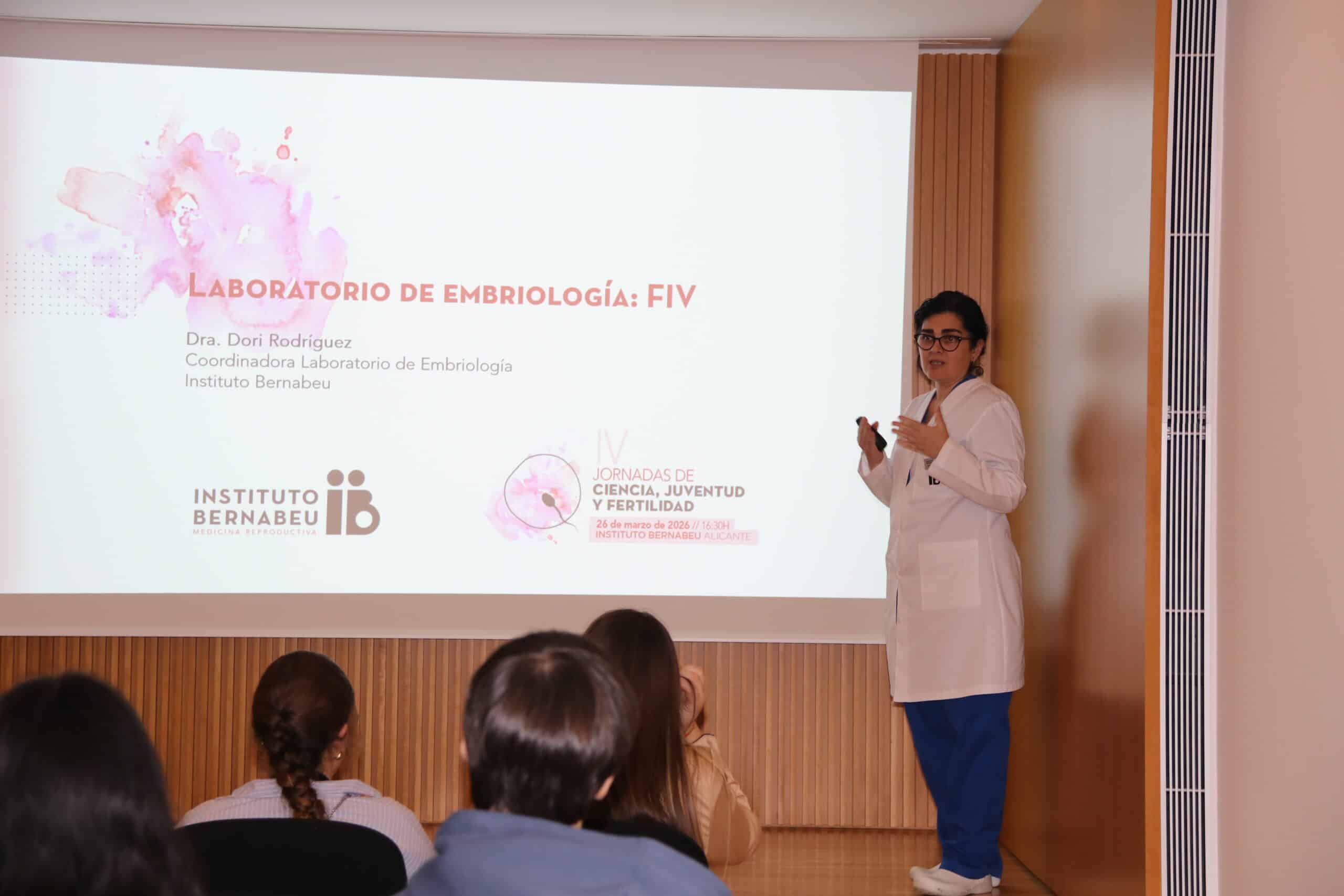
- In vitro fertilization and embryology, led by Dr. Dori Rodríguez.
- Andrology laboratory, presented by Dr. Ana Fabregat.
- Reproductive genetics, taught by Dr. Ruth Morales.
- Gamate donation, developed by Marina Sánchez and Dr. Eva García.
- Almudena Marín, from the Human Resources department, was responsible for presenting the various professional alternatives.
Throughout the afternoon, in addition to the training sessions, students visited the center’s facilities and gained close insight into the work performed across the different laboratories, sparking further interest in biomedical research.