NEW R&D&I COMMITTE: Interview with the new executive members
March, 9th 2026
Research, innovation and continuous training are part of Instituto Bernabeu’s DNA. In a field as dynamic as reproductive medicine, knowledge is the basis for offering our patients increasingly accurate, personalised and safe care.
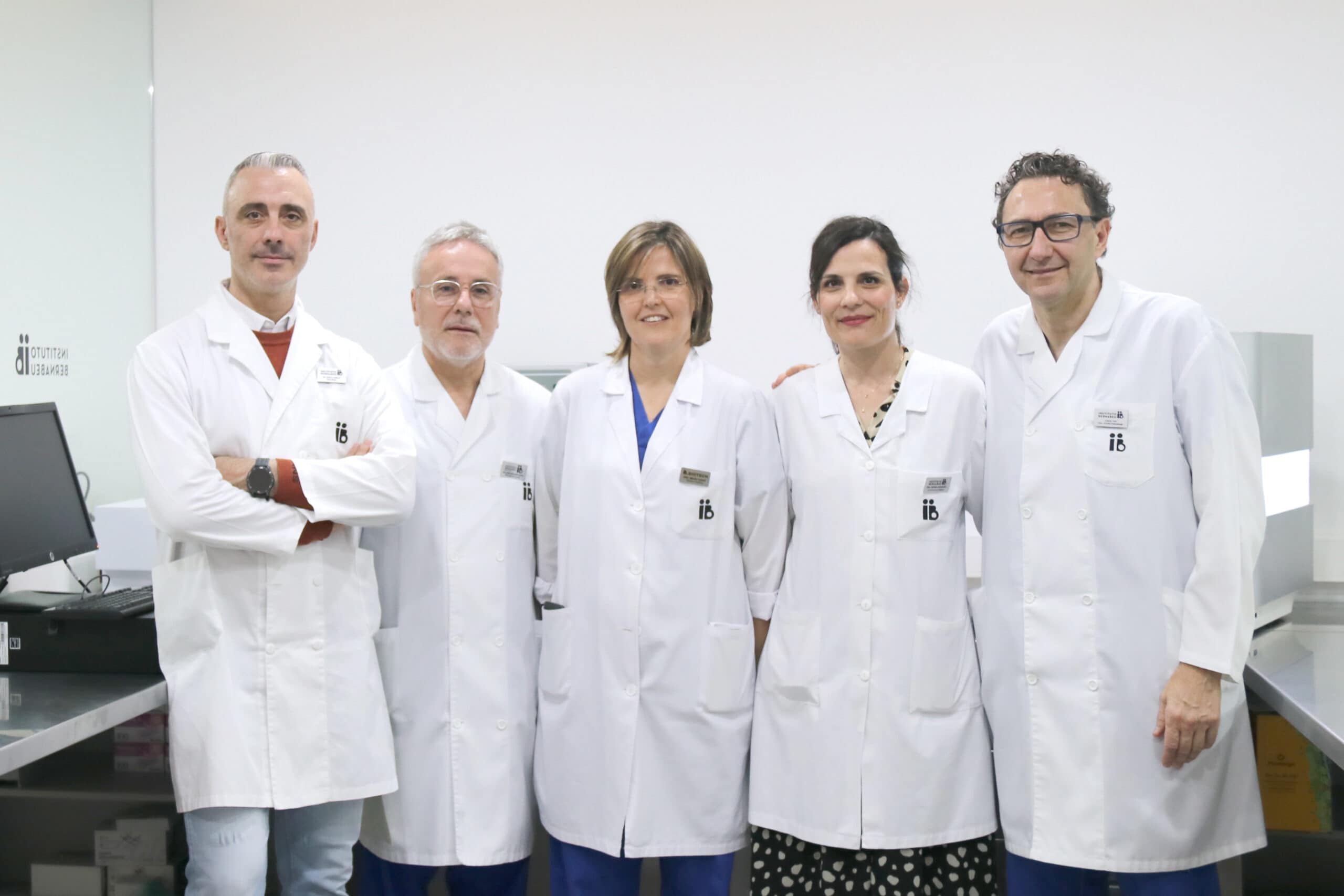
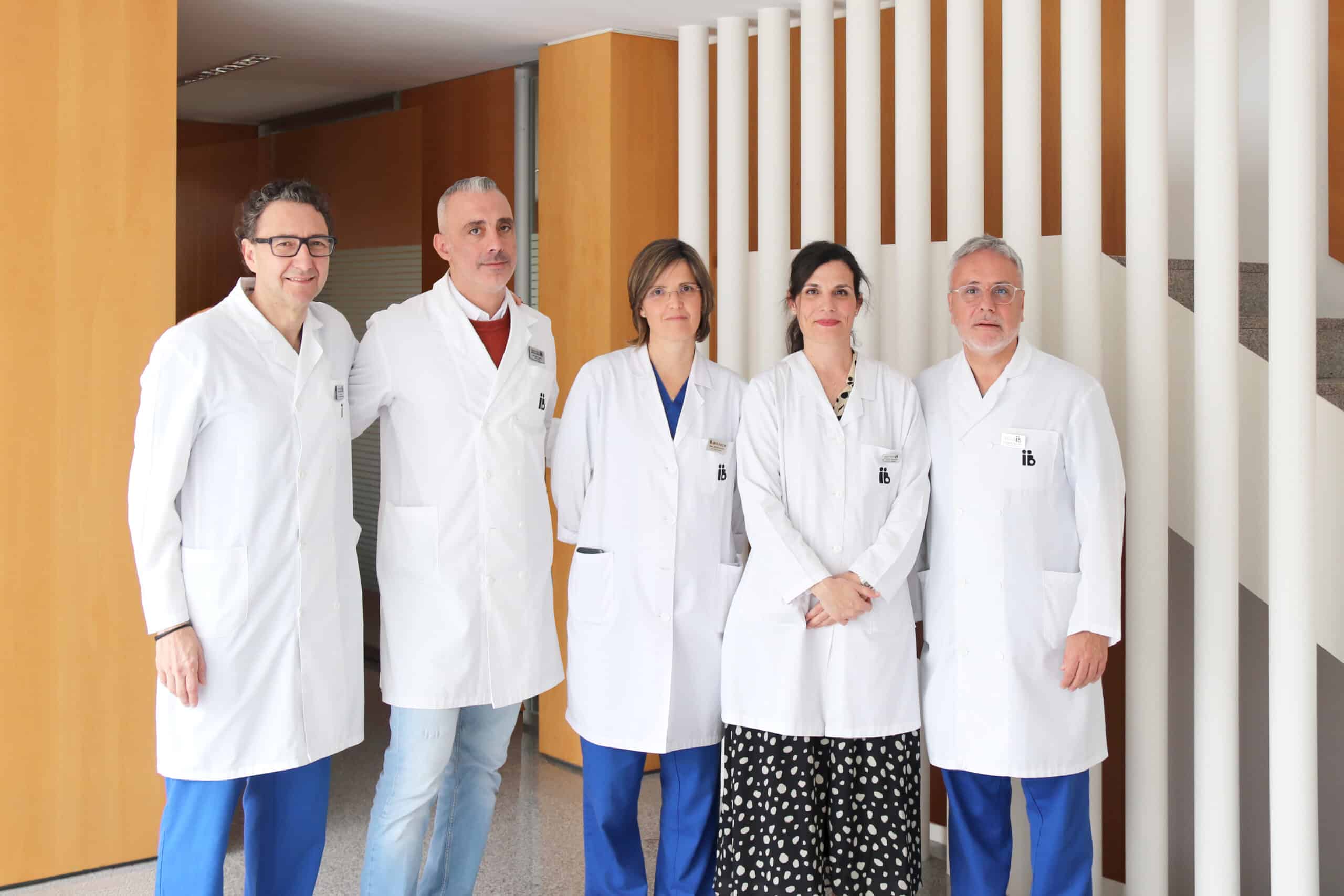
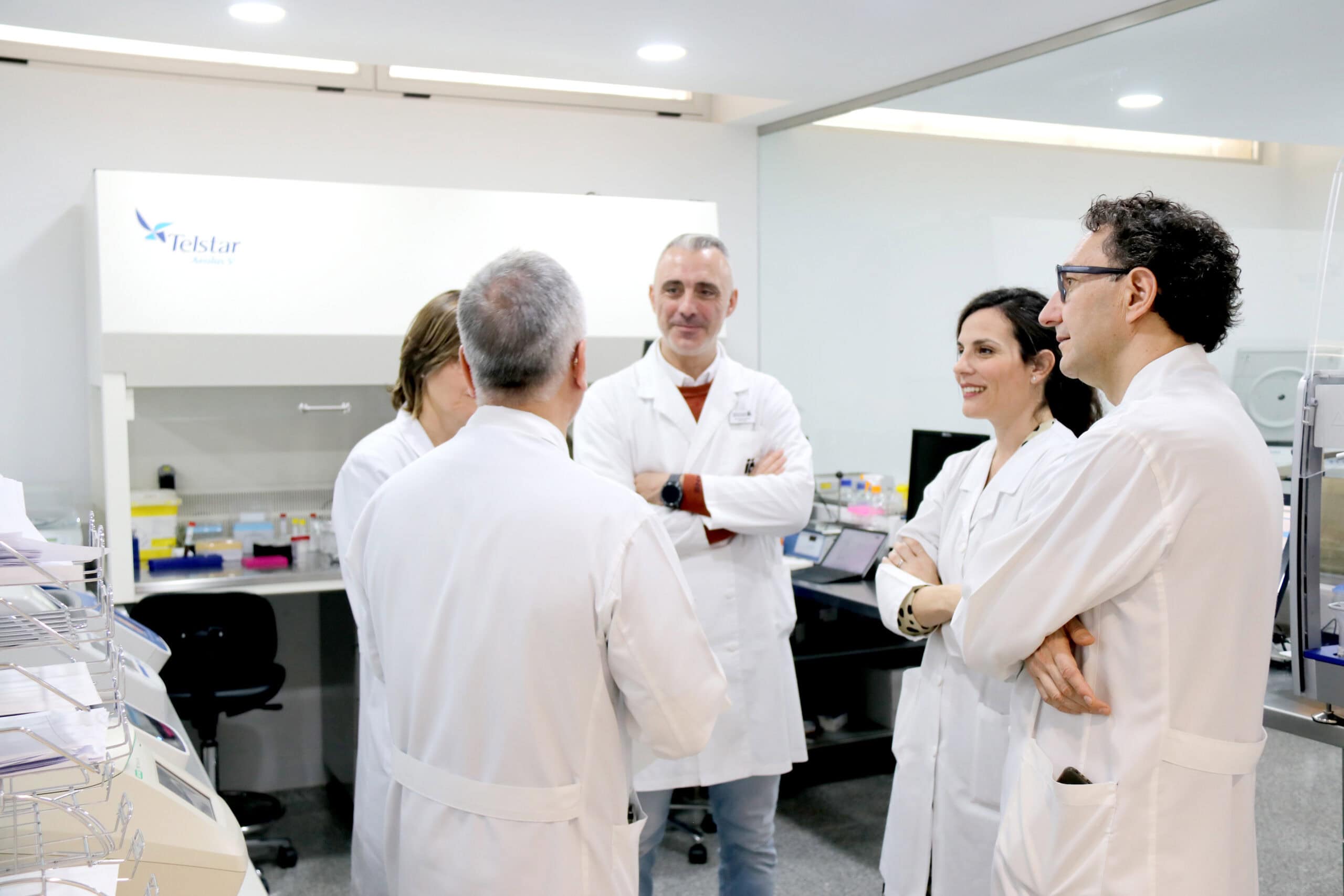
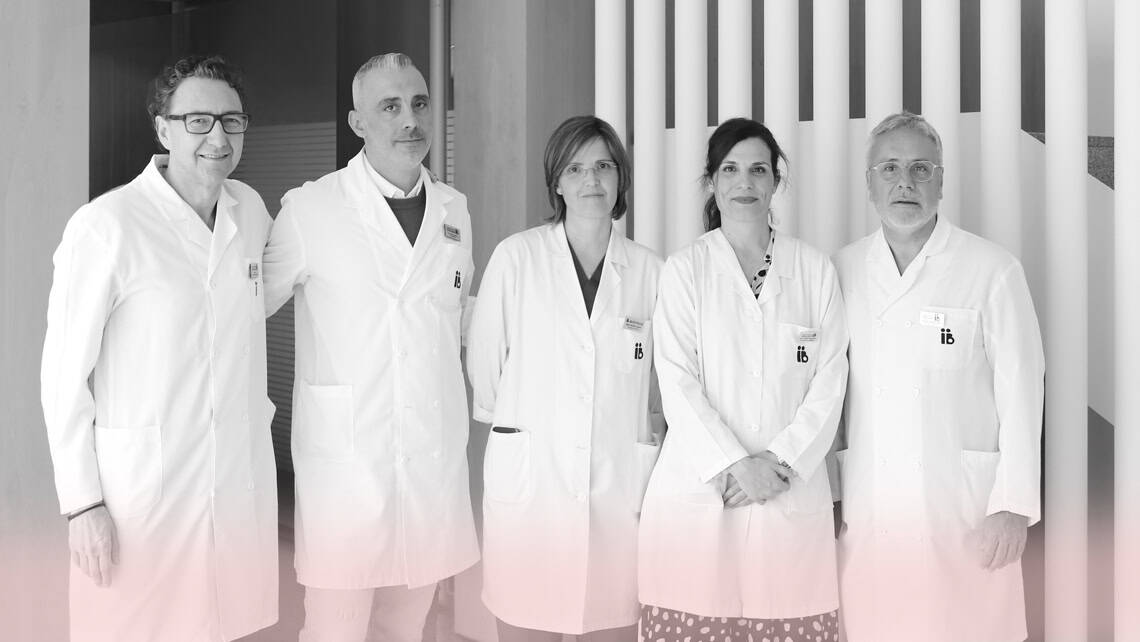
With this objective in mind, Instituto Bernabeu’s Medical Director, Andrea Bernabeu, has revamped the R&D&I Committee, appointing Dr Belén Lledó as Scientific Director, Dr Paolo Cirillo as Training Coordinator, Dr José Ortiz as Research Coordinator and Dr Jorge Ten as Embryology Research Coordinator.
In this interview, they explain the promising future of this new stage and how the R&D&I Committee’s track record has enabled the institution to embed its own research and continuing education as an essential pillar of our healthcare model in its philosophy for decades.
Instituto Bernabeu has just strengthened its R&D&I Committee with new managers. As medical director, why are research and continuing education strategic within the Institute’s healthcare model?
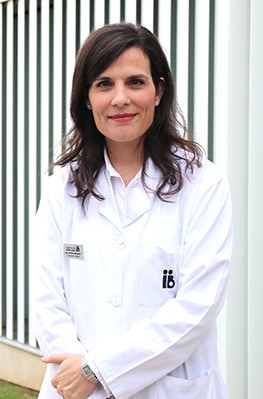
Dr. Andrea Bernabeu (A.B.): “R&D&I has been a fundamental pillar of Instituto Bernabeu’s structure since its inception, and we have maintained and continuously expanded it since the beginning. The growth of the Instituto Bernabeu group, both in terms of healthcare and research, requires us to maintain the highest standards of quality and training. That is why our R&D committee has developed different strategic lines covering basic, clinical and embryology research, as well as coordinating the ongoing training of our team.
This ongoing commitment to innovation and research is what allows us to be leaders in reproductive medicine both nationally and internationally.“
What value does active research offer Instituto Bernabeu compared to the alternative of applying existing knowledge?
A.B.“Proactivity in research is crucial in order to be able to implement new diagnostic and/or therapeutic tools for our patients in an agile and efficient manner and thus be able to provide agile and accurate responses and solutions. In addition, it promotes the personalisation of treatments in Reproductive Medicine, which is key to not only improving results, but also shortening the time it takes to achieve the much-desired pregnancy.
In other words, active research promotes the improvement of clinical outcomes and the optimisation of therapeutic processes, while also avoiding unnecessary steps that place an added emotional burden on patients.”
From the Scientific Directorate’s perspective, how is research organised so that it has a real and direct impact on daily clinical practice?
Dr. Belén Lledó (B.Ll.): “Research at IB is clearly focused on the patient and on generating knowledge that can be directly applied to healthcare. Our goal is to improve the diagnosis of infertility and offer treatments that provide the best possible results.
This commitment to the patient drives us to develop research aimed at personalising treatments, adapting them to the individual characteristics of each case. In addition, multidisciplinary work between professionals from different specialities adds value by integrating different clinical and scientific perspectives.
Thanks to this close connection between research and care, our projects have direct clinical applications, which translates into a real impact on daily practice and the quality of care that patients receive.“
How does Instituto Bernabeu ensure that the latest scientific knowledge is implemented and actually reaches the day-to-day work of its entire medical team?
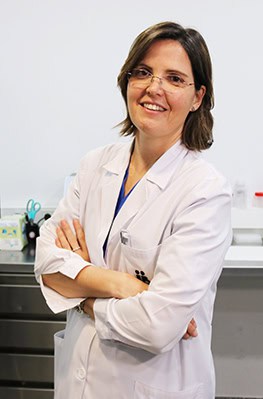
B.Ll.“At Instituto Bernabeu, incorporating the latest scientific knowledge into our daily practice is based on a commitment to research shared by the entire medical team. Our colleagues regularly participate in conferences, scientific meetings and specialist gatherings, where the latest advances are presented and discussed, facilitating their rapid incorporation into our healthcare activities.
In addition, we hold regular internal sessions in which the team shares scientific developments, reviews the latest evidence and proposes updates to clinical protocols for our patients.
This way of working, based on constant updating and the exchange of knowledge, is fully integrated into our daily activities and ensures that scientific innovation translates into real improvements in clinical care.“
From your extensive experience as a gynaecologist, how do patients perceive being treated by a team that is constantly updating its knowledge? What additional guarantees does being treated at a centre with a solid and active scientific structure offer patients?
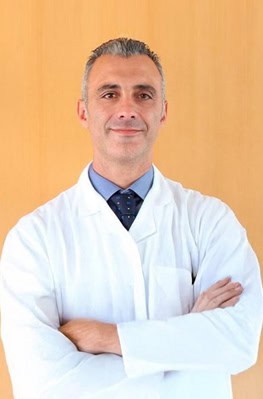
Dr Paolo Cirillo (P.C): “Patients clearly perceive when they are being treated by a team that is constantly updating its knowledge: they experience this as greater safety, confidence and clarity in clinical decisions. They know that they are not being treated according to a standard protocol, but rather with a treatment designed specifically for their individual case.
Being in a centre with a solid and active scientific structure offers real guarantees, especially when in-house research in key areas such as genetics is part of the care process. This makes it possible to anticipate problems, optimise results and personalise each step of the treatment. For the patient, it means knowing that her case is being analysed using the latest scientific criteria and that she is directly benefiting from the advances made within the centre itself.“
Why is ongoing training for the team so important in a field as dynamic as reproductive medicine?
P.C: “Reproductive medicine is a constantly evolving field, where scientific knowledge is advancing at a rapid pace. Continuing education is key to rigorously and safely integrating innovations that truly add clinical value.
A well-trained team is able to apply new techniques judiciously, adapt them to each patient and improve outcomes without compromising safety. It also ensures consistent, high-quality care throughout the centre. In short, continuing education is the foundation for offering modern, effective and patient-centred reproductive medicine.“
Genetics plays an increasingly important role in assisted reproduction. What are the main lines of research in genetics currently being pursued at Instituto Bernabeu?
Dr José Ortiz (J.O.):“We have a significant number of research projects underway in the field of genetics. These can be grouped into three main areas:
The first is the microbiome. The microbiome is the collection of microorganisms in our bodies that play an essential role in our health.
We have characterised the vaginal, endometrial and, more recently, seminal microbiomes in different studies and analysed the impact of each of them on human fertility.
We are currently immersed in a project in which we are developing probiotics to promote the microbiome profile, the most suitable microorganism profile in these organs to maximise the chances of success in IVF treatments.
The second block consists of studies aimed at improving PGT-A. This test allows embryos to be analysed at the chromosomal level to select embryos without alterations. These tests generally require embryo biopsy. We are currently studying the possibility of replacing biopsy with embryo culture media, applying different DNA purification methodologies. The aim is to be as non-invasive as possible in order to determine the chromosomal status of the embryo. This information is vital for increasing the chances of success in treatment.
-And finally, the third and last block focuses on the search for genetic variants, polymorphisms, which modify or predispose to different fertility problems such as low ovarian response, implantation failure or recurrent miscarriage.“
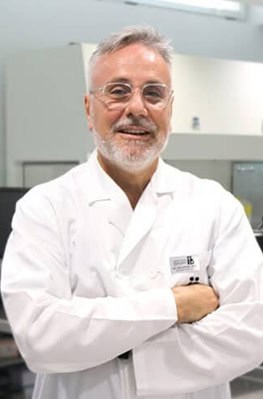
How does genetic research contribute to personalising treatments and improving reproductive outcomes?
(J.O.): “This question ties in with the third line of research, which is that identifying these polymorphisms is the basis for personalising treatments. Knowing the genetic profile of patients allows us to design personalised protocols for each of our patients. This is what is known as precision medicine.
In this regard, we have developed different tests, among which I would highlight IBGenFIV, which analyses different variants to determine the most appropriate ovarian stimulation protocol for each patient in order to optimise the number of oocytes to be retrieved and maximise the chances of success of IVF treatment. We are improving this test by applying AI to identify the genetic variants with the greatest predictive capacity.”
Embryology is one of the pillars of assisted reproduction. What scientific challenges are currently being addressed in the field of research?
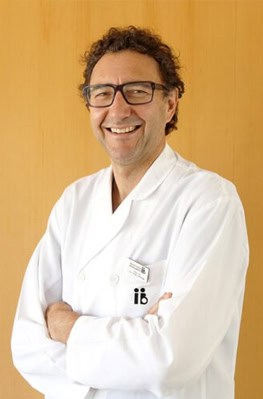
Dr. Jorge Ten (J.T) “In the field of embryology research, we are tackling key scientific challenges aimed at improving the efficiency of treatments and clinical outcomes, while advancing towards increasingly safe and personalised procedures.
One of the most relevant lines of research is the development of new sperm selection strategies, including research based on a patented device that uses granulosa cells, designed to select sperm with greater functional capacity and reproductive potential. The aim is to optimise the quality of male gametes, improve fertilisation rates and contribute to more competent embryonic development. These studies are being carried out in close collaboration with other academic institutions, such as the University of Alicante, reinforcing the translational approach of our research.
At the same time, we are working on optimising embryo selection, integrating morphokinetic and genetic parameters, and exploring the application of artificial intelligence tools that allow us to analyse large volumes of data and increase the accuracy in identifying embryos with greater implantation potential.
All of this is complemented by studies aimed at improving embryo culture systems and cryopreservation techniques, with the goal of maximising embryo viability, reducing the need for repeated cycles and, ultimately, increasing the overall efficiency of treatments and clinical outcomes for our patients.”
How are advances in embryological research integrated into routine clinical procedures?
(J. T): “At Instituto Bernabeu, embryological research has been designed from the outset with a clearly translational approach. Advances generated in the area of R&D are rigorously evaluated within structured projects and, once scientifically and clinically validated, are progressively incorporated into healthcare protocols.
This integration is always carried out in a coordinated manner between embryologists, gynaecologists and geneticists, which allows new knowledge to be adapted to real clinical practice, maintaining the highest standards of safety and quality. The aim is not only to innovate, but to do so efficiently, bringing tangible improvements in clinical results and optimising treatments.
In addition, constant communication between the laboratory and the clinic, together with ongoing training of the team, ensures that these advances are applied in a consistent and responsible manner, ensuring that research has a direct impact on day-to-day care and the attention our patients receive.”
What has being part of Instituto Bernabeu’s R&D&I Committee meant for you personally and professionally?
J.T: “Being part of the R&D&I Committee has meant, on a professional level, the opportunity to promote research in embryology with direct application in clinical practice, working in coordination with other strategic areas. On a personal level, it represents additional motivation to be able to actively contribute to the scientific and healthcare development of the institution.”
J. O: “Before joining the IB, I came from the world of research, and it has been very satisfying for me to be able to apply that knowledge at the IB. I believe that research is an essential part of medicine in general, but especially in reproductive medicine, where advances and innovations are constant.”
If you had to summarise in one sentence what Instituto Bernabeu’s R&D&I brings to its patients, what would it be?
A.B: “Innovative and precision medicine by and for the patient.”
J.T: “Scientific innovation applied to offer each patient the most precise and effective treatment.”
J.O: “R&D&I at IB guarantees that our patients will receive the best treatments using the latest advances in reproductive medicine.”